
Website developed on behalf of
the Frans Molenaar Foundation
Texts
Story design & development
All rights reserved.
The Frans Molenaar Foundation has
sought to identify and mention all rights holders.
@ 2025

Website developed on behalf of
the Frans Molenaar Foundation
Texts
Story design & development
All rights reserved.
The Frans Molenaar Foundation has
sought to identify and mention all rights holders.
@ 2025

Geometric fashion
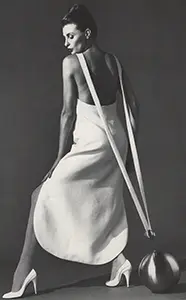
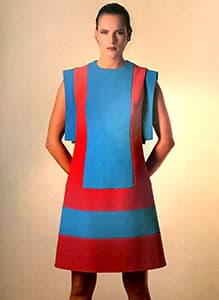
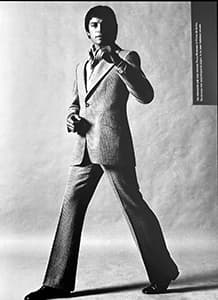
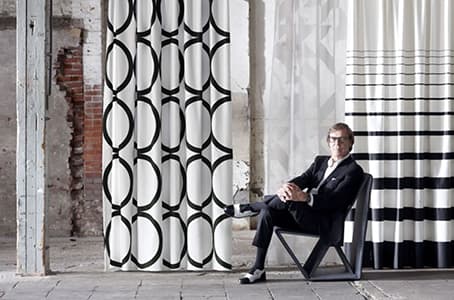
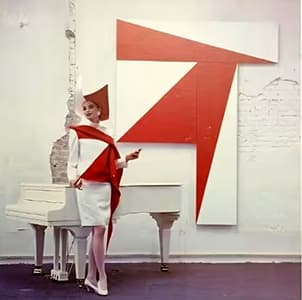
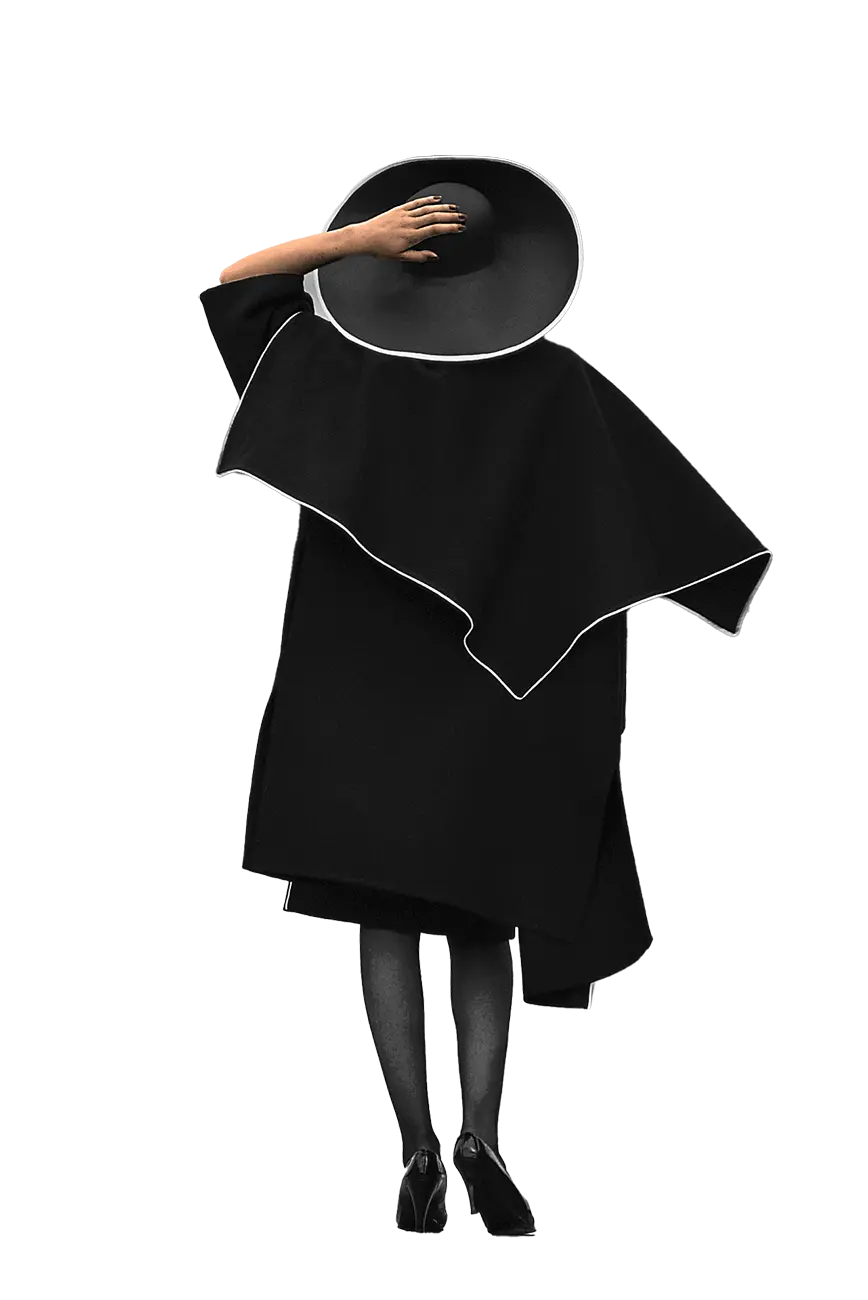
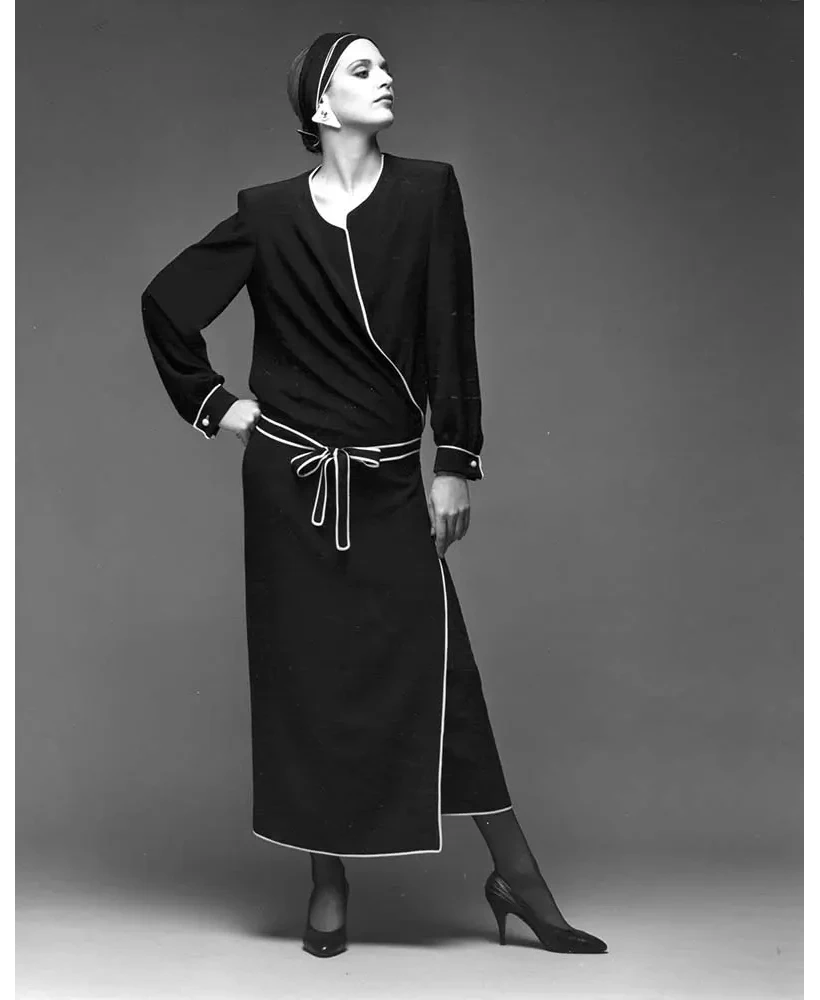
Clear, graphic lines have always characterized Frans Molenaar's designs. Inspired by his geometric-abstract contemporaries in the visual arts, he likes to show the construction of his creations. One of the sophisticated tools he used from the start is piping pattern pieces and darts.
Read more >
Geometric
fashion
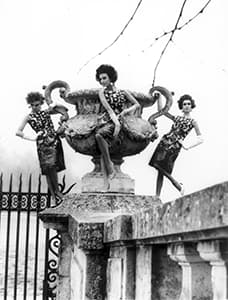
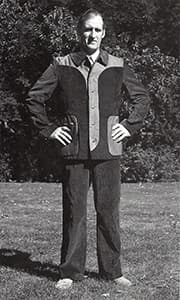
Clear, graphic lines have always characterized Frans Molenaar's designs. Inspired by his geometric-abstract contemporaries in the visual arts, he likes to show the construction of his creations. One of the sophisticated tools he used from the start is piping pattern pieces and darts. An almost architectural approach to the cut that he finds and admires, among others, in the fresh, contemporary designs of contemporary André Courrèges.
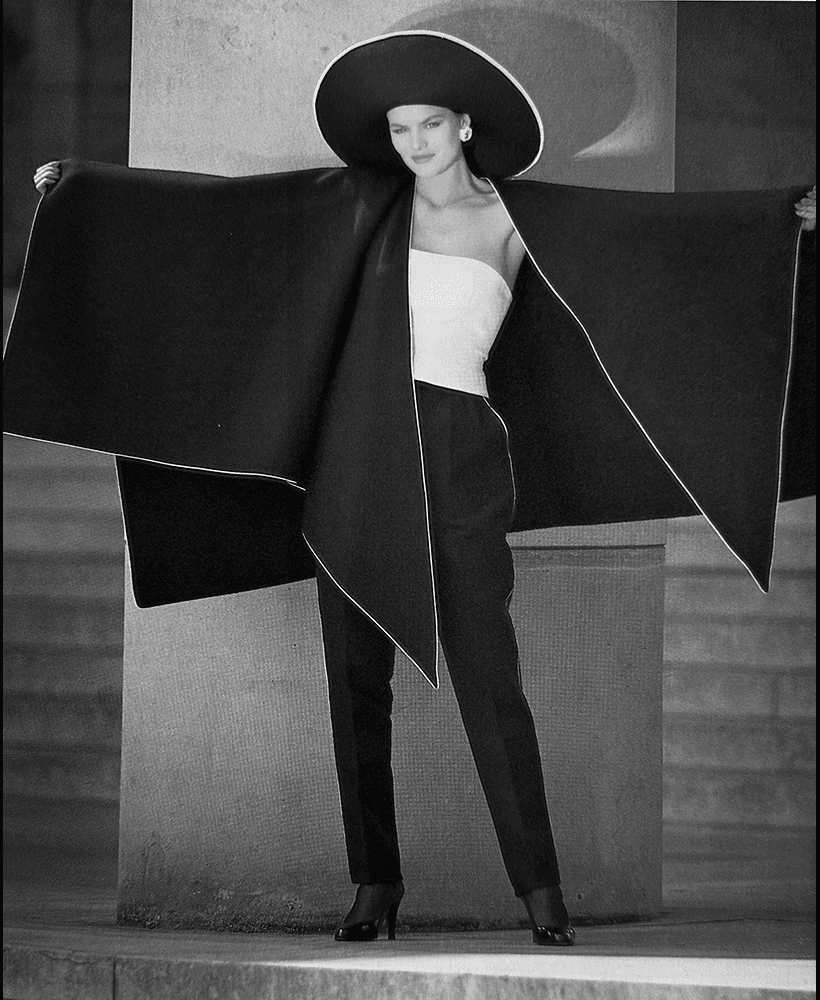


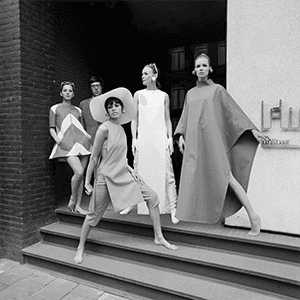
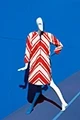
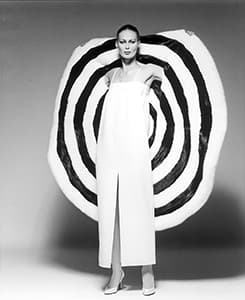
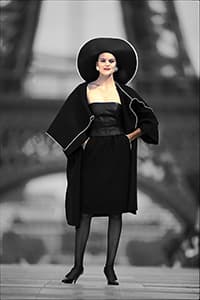
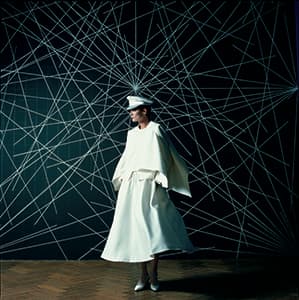
Five ensembles from the spring 1983 collection, entitled 'Triangle Designs', made in combinations of double-woven black wool, show these clear and striking lines.

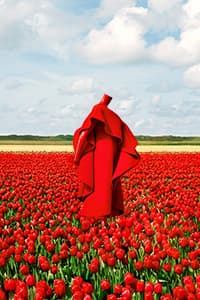
Lapels, pockets and shoulder collars are subtly trimmed with white leather. Rectangular ponchos are cut from one corner and are folded asymmetrically with the point on the back. Several fashion critics are talking about a new dimension to the typical Molenaar style this season. Under the headline 'Geometric fashion from Molenaar', the Telegraaf quotes an extremely satisfied couturier: 'I'm feeling great, that must be one of the causes of all those new ideas'.
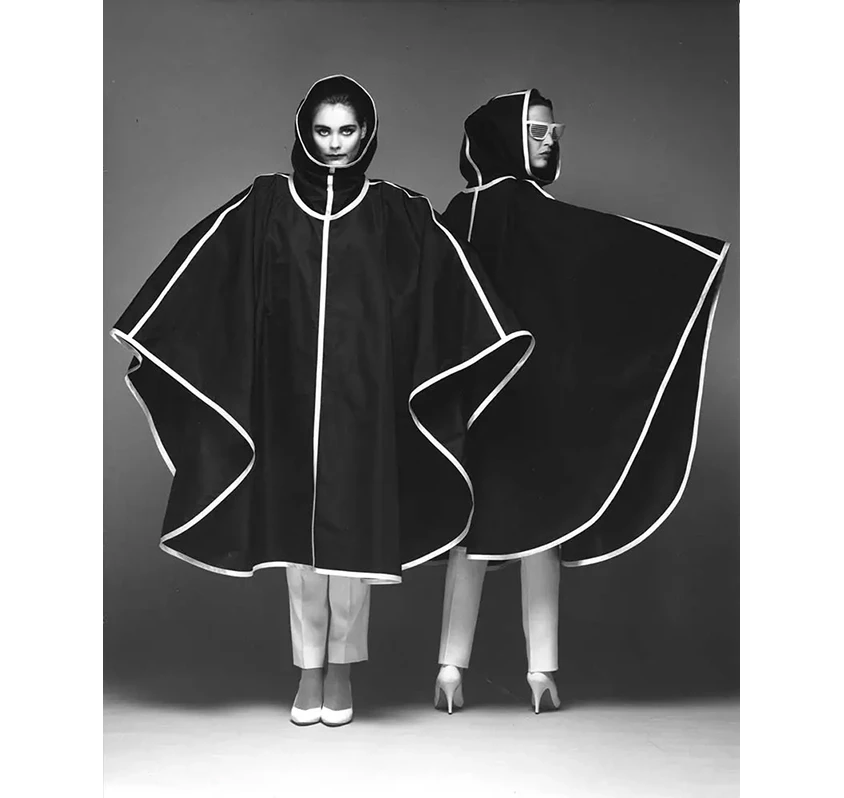

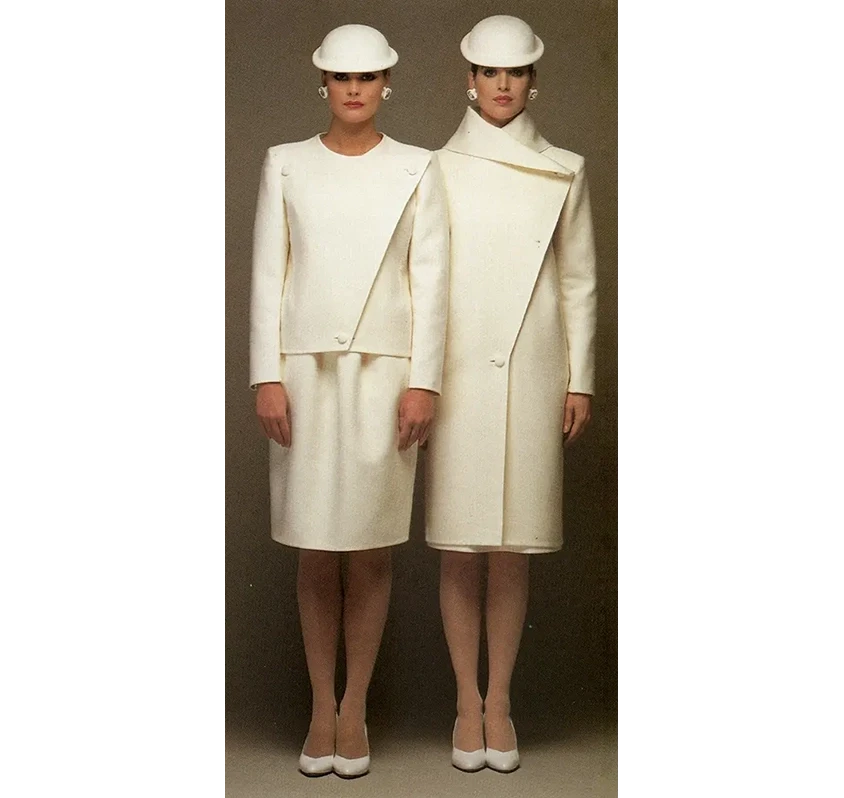
In the 1990s and beyond, it became a natural part of the typical Molenaar signature: edged pattern parts in contrasting colors and piped darts that accentuate shapes.


It gives his many jackets or trouser suits a sleek, timeless look. He also thinks the piping is a nicer finish for a couture piece than a regular seam or hem. This attention to detail also confirms the craftsmanship he strives for in the execution of his collections. 'As if the skeleton had been placed on top of the clothes', said one of the fashion journalists who attended Frans Molenaar's sixtieth show in 1996, 'Molenaar is a master in varying the minimal'. It has proven to be an indestructible concept.
Credits


1983 – Couture collection
Spring/Summer 1983
Photo: Jan Francis


1972 – Couture collection
Spring/Summer 1972
Photo: George van Herwaarde

1980 – Couture collection
Spring/Summer 1980
Photo: George van Herwaarde

1983 – Couture collection
Spring/Summer 1983
Photo: George van Herwaarde
1983 - Exhibition
‘Vormgevers van Mode’
Gemeentemuseum Den Haag

1983 – Couture collection
Spring/Summer 1983
Photo: George van Herwaarde

1983 – Couture collection
Spring/Summer 1983

1983 – Couture collection
Spring/Summer 1983
Photo: George van Herwaarde


1995 – Couture collection
Spring/Summer 1995
Photo: Sean MacAndrew
Geometric fashion
Clear, graphic lines have always characterized Frans Molenaar's designs. Inspired by his geometric-abstract contemporaries in the visual arts, he likes to show the construction of his creations. One of the sophisticated tools he used from the start is piping pattern pieces and darts.
Read more >
Geometric
fashion
Clear, graphic lines have always characterized Frans Molenaar's designs. Inspired by his geometric-abstract contemporaries in the visual arts, he likes to show the construction of his creations. One of the sophisticated tools he used from the start is piping pattern pieces and darts. An almost architectural approach to the cut that he finds and admires, among others, in the fresh, contemporary designs of contemporary André Courrèges.
Five ensembles from the spring 1983 collection, entitled 'Triangle Designs', made in combinations of double-woven black wool, show these clear and striking lines.
Lapels, pockets and shoulder collars are subtly trimmed with white leather. Rectangular ponchos are cut from one corner and are folded asymmetrically with the point on the back. Several fashion critics are talking about a new dimension to the typical Molenaar style this season. Under the headline 'Geometric fashion from Molenaar', the Telegraaf quotes an extremely satisfied couturier: 'I'm feeling great, that must be one of the causes of all those new ideas'.
In the 1990s and beyond, it became a natural part of the typical Molenaar signature: edged pattern parts in contrasting colors and piped darts that accentuate shapes.
It gives his many jackets or trouser suits a sleek, timeless look. He also thinks the piping is a nicer finish for a couture piece than a regular seam or hem. This attention to detail also confirms the craftsmanship he strives for in the execution of his collections. 'As if the skeleton had been placed on top of the clothes', said one of the fashion journalists who attended Frans Molenaar's sixtieth show in 1996, 'Molenaar is a master in varying the minimal'. It has proven to be an indestructible concept.
Credits
1983 – Couture collection
Spring/Summer 1983
Photo: Jan Francis
1972 – Couture collection
Spring/Summer 1972
Photo: George van Herwaarde
1980 – Couture collection
Spring/Summer 1980
Photo: George van Herwaarde
1983 – Couture collection
Spring/Summer 1983
Photo: George van Herwaarde
1983 - Exhibition
‘Vormgevers van Mode’
Gemeentemuseum Den Haag
1983 – Couture collection
Spring/Summer 1983
Photo: George van Herwaarde
1983 – Couture collection
Spring/Summer 1983
1983 – Couture collection
Spring/Summer 1983
Photo: George van Herwaarde
1995 – Couture collection
Spring/Summer 1995
Photo: Sean MacAndrew
Geometric
fashion
Clear, graphic lines have always characterized Frans Molenaar's designs. Inspired by his geometric-abstract contemporaries in the visual arts, he likes to show the construction of his creations. One of the sophisticated tools he used from the start is piping pattern pieces and darts.
Read more >
Geometric
fashion
Clear, graphic lines have always characterized Frans Molenaar's designs. Inspired by his geometric-abstract contemporaries in the visual arts, he likes to show the construction of his creations. One of the sophisticated tools he used from the start is piping pattern pieces and darts. An almost architectural approach to the cut that he finds and admires, among others, in the fresh, contemporary designs of contemporary André Courrèges.
Five ensembles from the spring 1983 collection, entitled 'Triangle Designs', made in combinations of double-woven black wool, show these clear and striking lines.
Lapels, pockets and shoulder collars are subtly trimmed with white leather. Rectangular ponchos are cut from one corner and are folded asymmetrically with the point on the back. Several fashion critics are talking about a new dimension to the typical Molenaar style this season. Under the headline 'Geometric fashion from Molenaar', the Telegraaf quotes an extremely satisfied couturier: 'I'm feeling great, that must be one of the causes of all those new ideas'.
In the 1990s and beyond, it became a natural part of the typical Molenaar signature: edged pattern parts in contrasting colors and piped darts that accentuate shapes.
It gives his many jackets or trouser suits a sleek, timeless look. He also thinks the piping is a nicer finish for a couture piece than a regular seam or hem. This attention to detail also confirms the craftsmanship he strives for in the execution of his collections. 'As if the skeleton had been placed on top of the clothes', said one of the fashion journalists who attended Frans Molenaar's sixtieth show in 1996, 'Molenaar is a master in varying the minimal'. It has proven to be an indestructible concept.
Credits
1983 – Couture collection
Spring/Summer 1983
Photo: Jan Francis
1972 – Couture collection
Spring/Summer 1972
Photo: George van Herwaarde
1980 – Couture collection
Spring/Summer 1980
Photo: George van Herwaarde
1983 – Couture collection
Spring/Summer 1983
Photo: George van Herwaarde
1983 - Exhibition
‘Vormgevers van Mode’
Gemeentemuseum Den Haag
1983 – Couture collection
Spring/Summer 1983
Photo: George van Herwaarde
1983 – Couture collection
Spring/Summer 1983
1983 – Couture collection
Spring/Summer 1983
Photo: George van Herwaarde
1995 – Couture collection
Spring/Summer 1995
Photo: Sean MacAndrew