
Website developed on behalf of
the Frans Molenaar Foundation
Texts
Story design & development
All rights reserved.
The Frans Molenaar Foundation has
sought to identify and mention all rights holders.
@ 2025





Website developed on behalf of
the Frans Molenaar Foundation
Texts
Story design & development
All rights reserved.
The Frans Molenaar Foundation has
sought to identify and mention all rights holders.
@ 2025
The circle
as signature
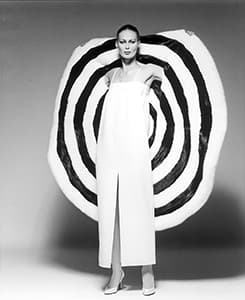
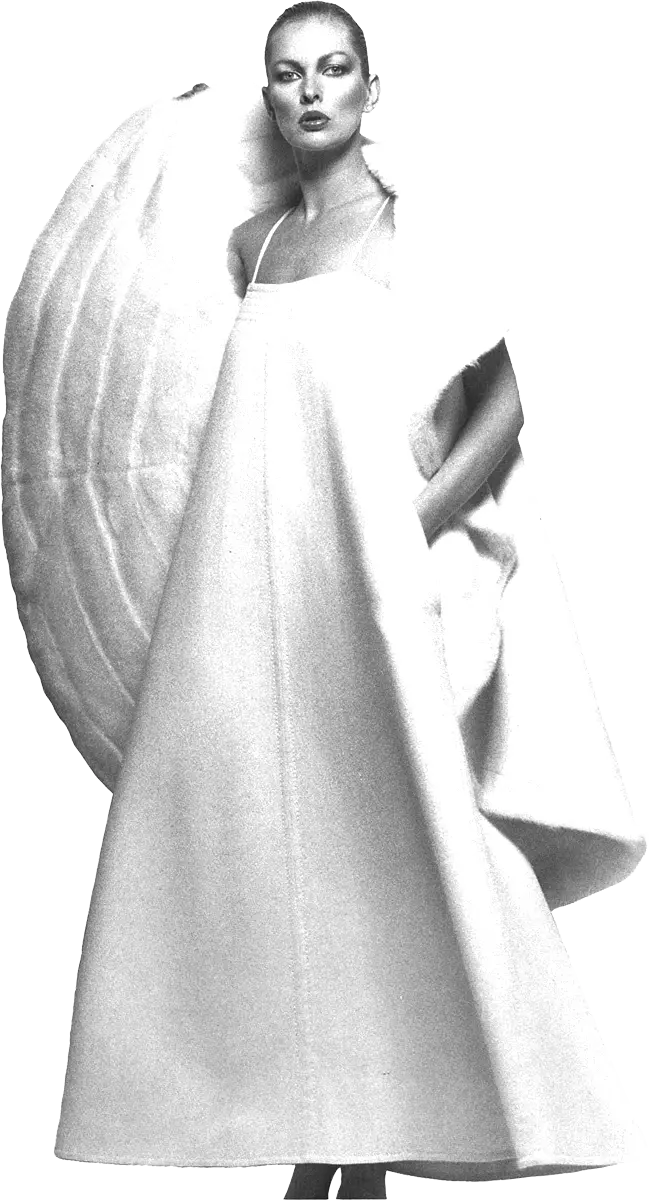
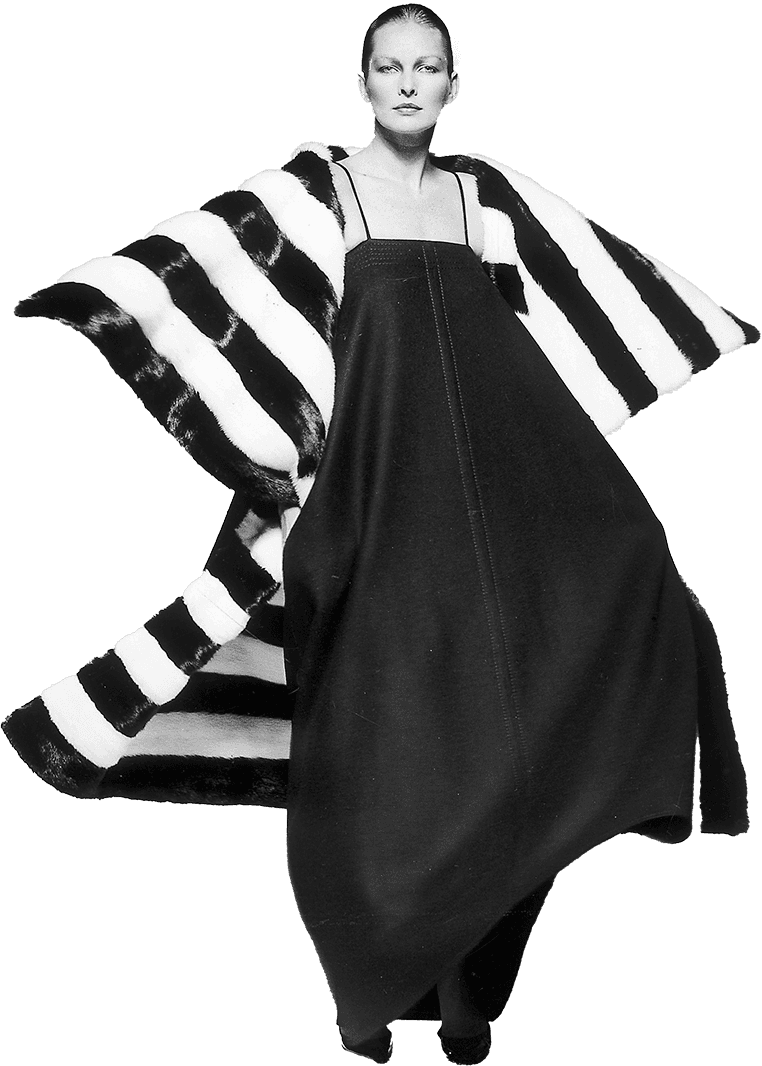
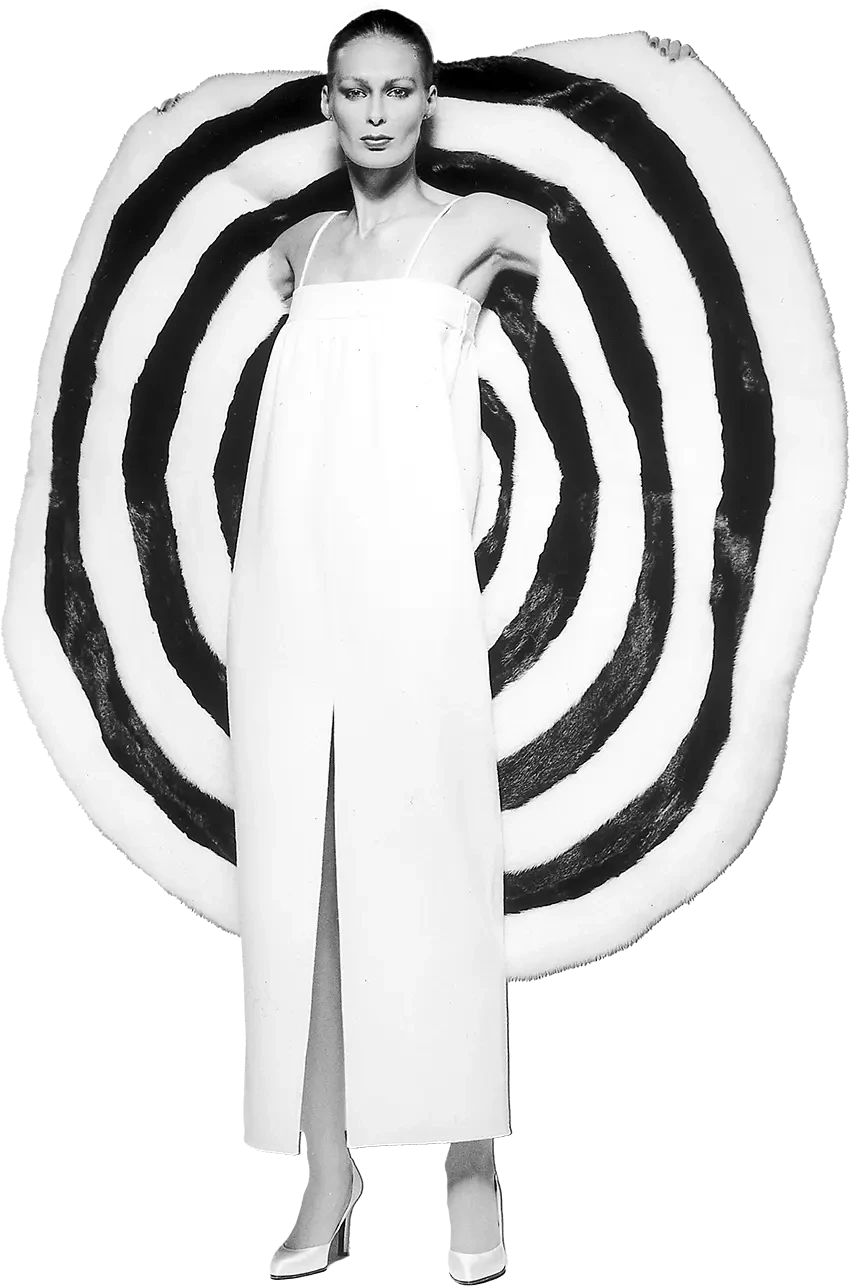
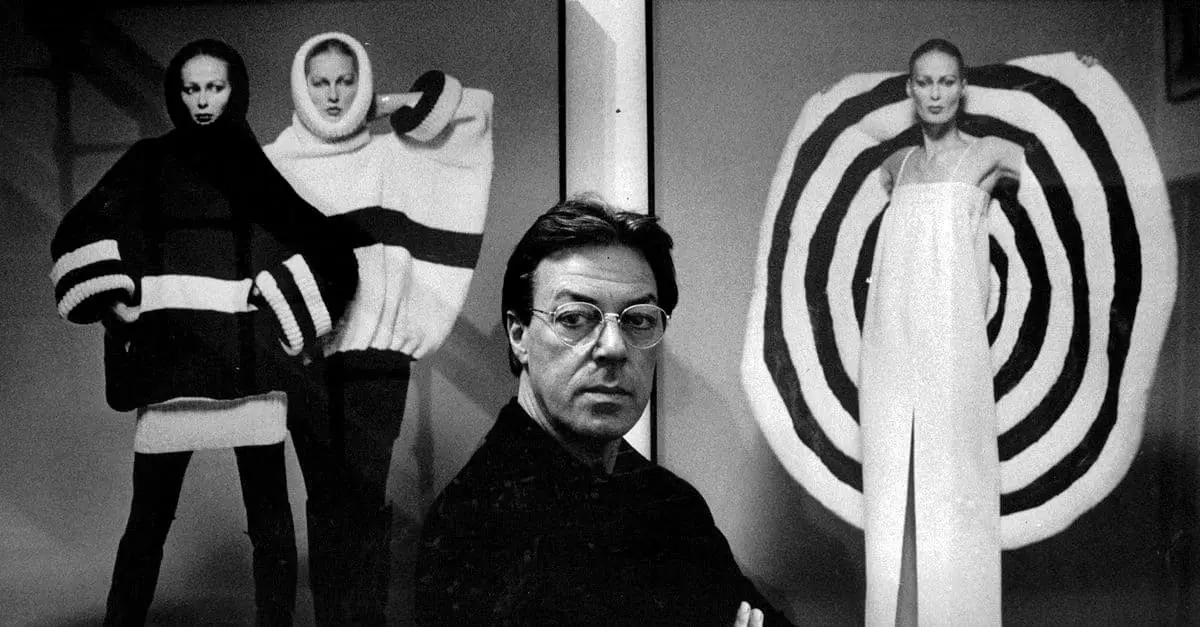
The black-and-white circular cape from 1977 is iconic Molenaar: graphic, monumental, and sublimely constructed. He uses geometry as form and as a statement. What appears as architecture on the catwalk becomes fluid and soft on the body – an exercise in contrast and control.
Read more >
Geometric
couture
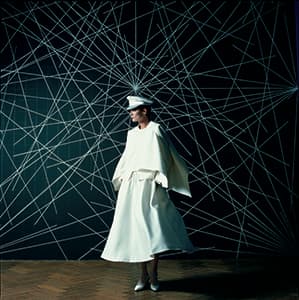
The autumn collection of 1977 represents an artistic highlight in Molenaar's geometric-abstract views. He chooses to apply only basic geometric shapes. Form, material, and color contrast are balanced. A bold, sleek, and clear concept: couture pieces made up of circles and rectangles, squares, and triangles. The shapes, which appear strict at first glance, create surprising volume and elegant movement around the body.
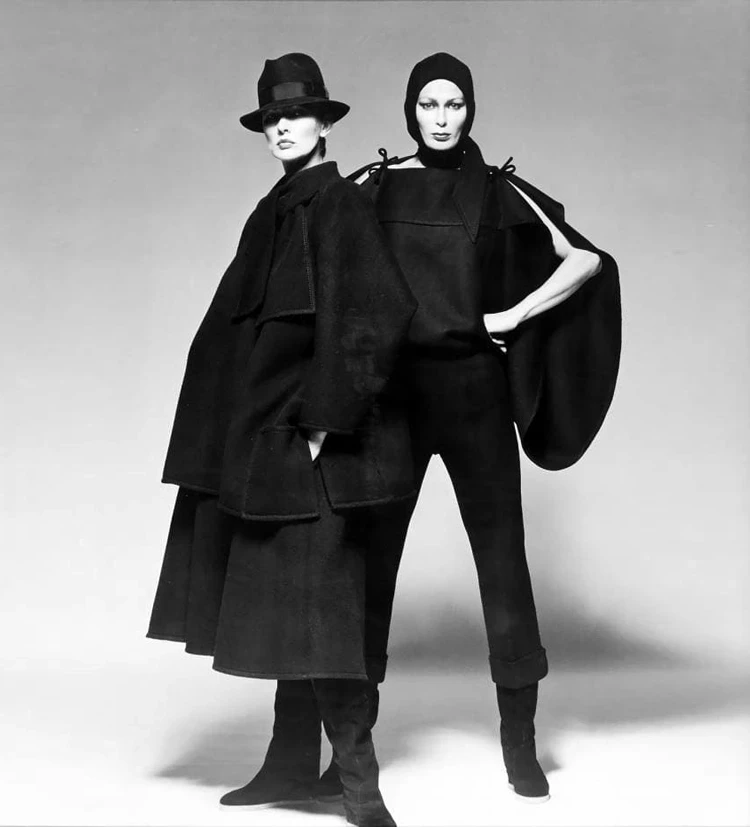
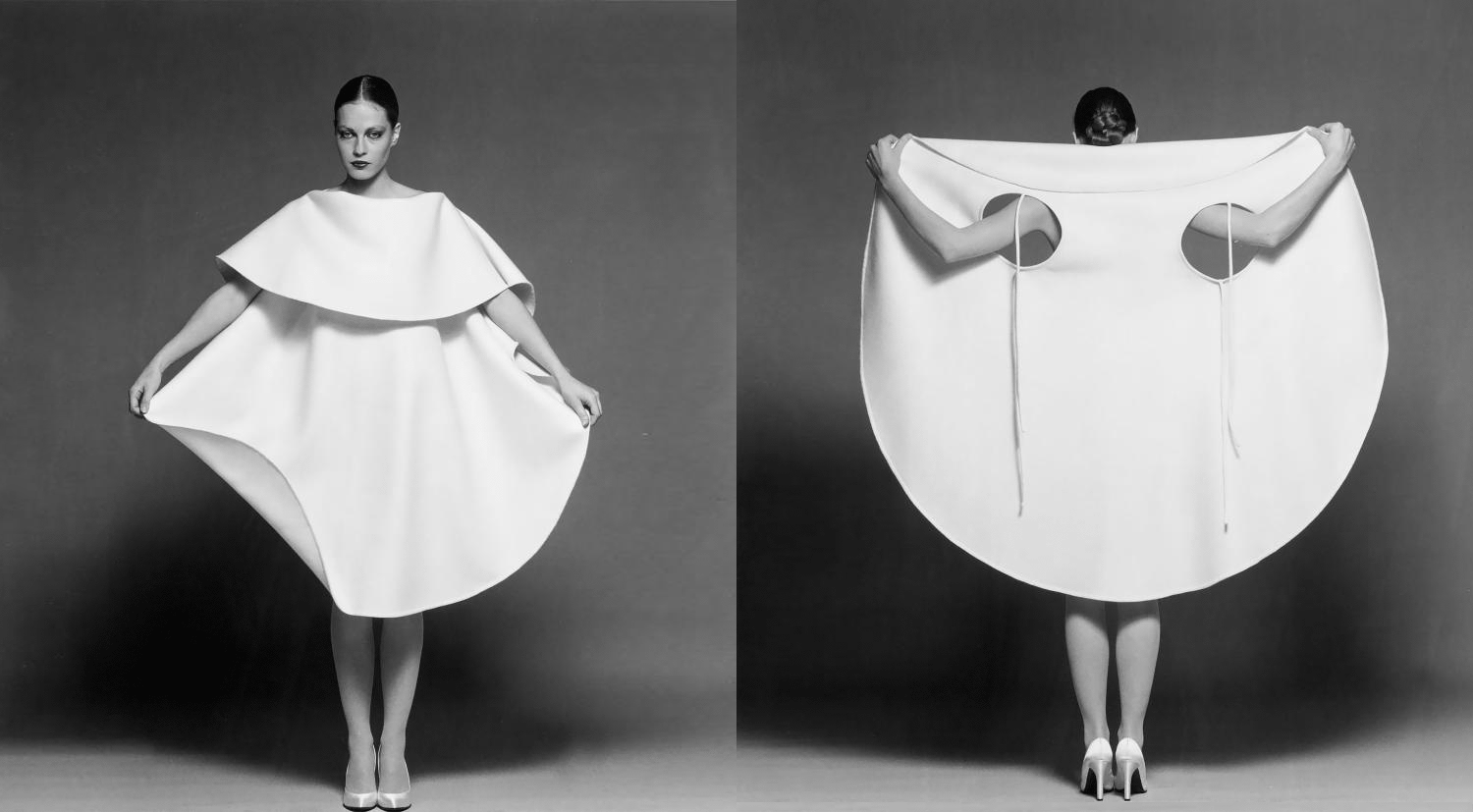
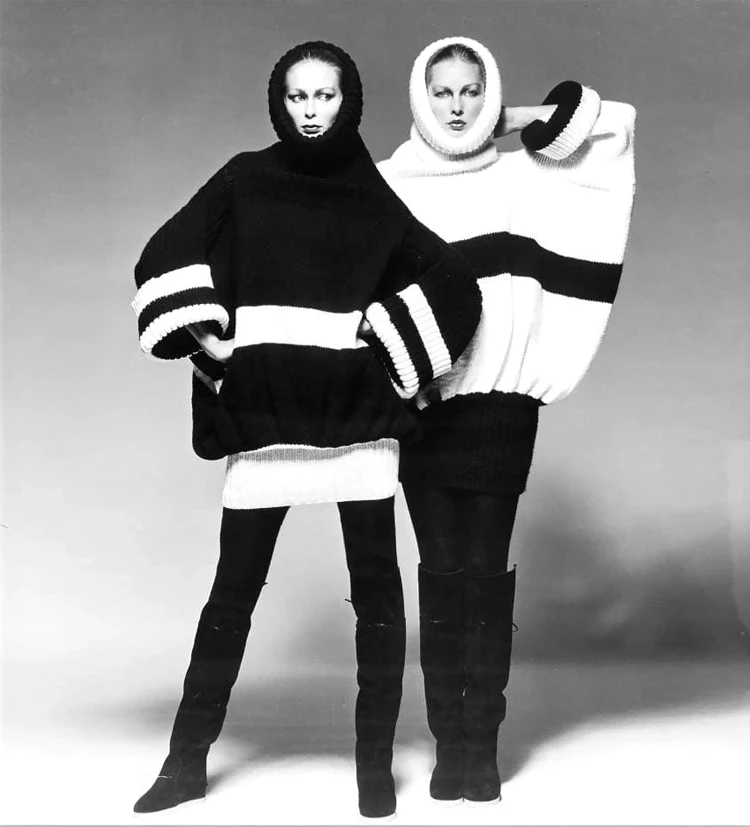
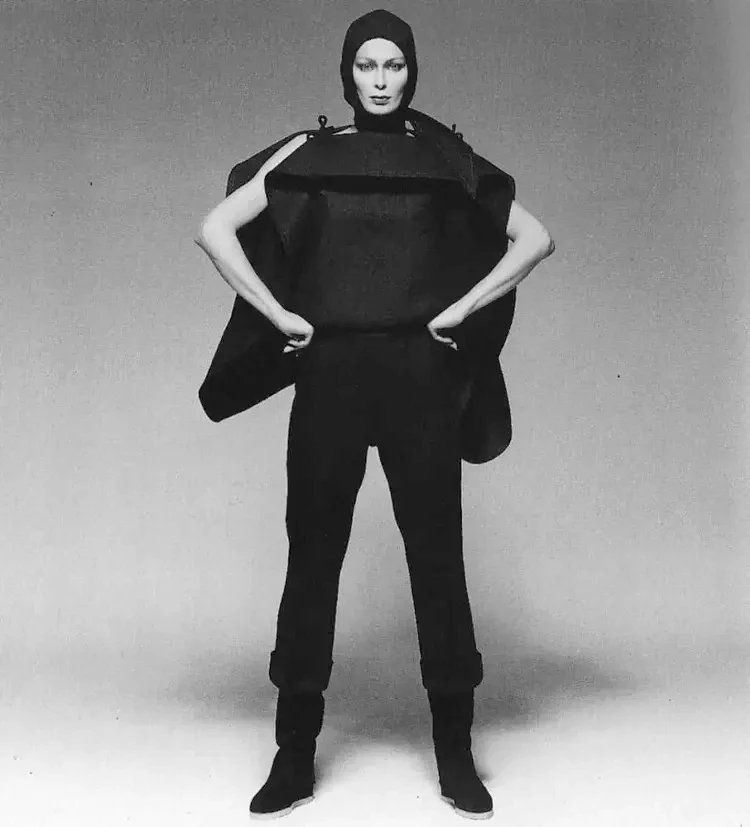
The circle cape in black and white is an iconic Molenaar design. Strong and striking in terms of design and size when the circular shape is fully displayed with the arms raised. Once turned over, the cape falls like a comfortable, loose-fitting coat with a lavish shawl collar.
The white version of the circle cape comes into the possession of Jopie Teekens, one of Molenaar's earliest couture clients. She and her husband Eijmert Teekens, successful entrepreneurs in the butcher trade, are among Molenaar's financial benefactors from the very beginning.
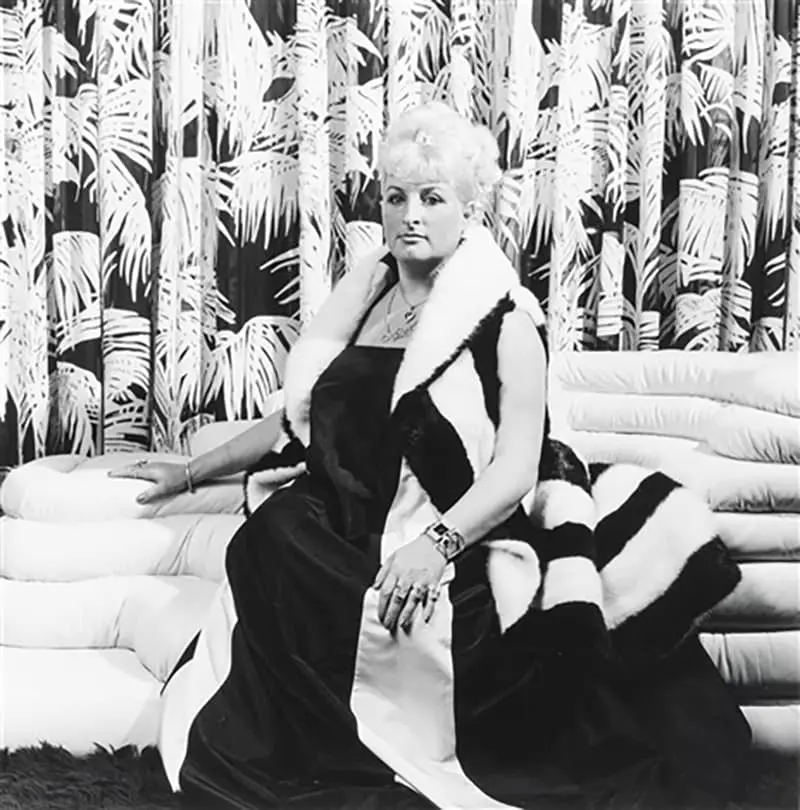
The black-and-white specimen is purchased by Miep Brons, a true Amsterdammer and flamboyant owner of textile stores and erotic video shops. With pride and visible pleasure, Molenaar dresses princesses and presenters, but also the 'woman in the street', a diverse and colorful clientele.

The square specimen adorns the cover of the exhibition catalog Designers of Fashion from the Hague Museum of Municipal History where Molenaar also extensively describes his design process and business management.
In 2013, a newly made woolen example of this cape shines on Molenaar's own catwalk as an impressive finale of the entire black-and-white summer collection. In 2015, the cape serves as the campaign image for the exhibition Ode to Dutch Fashion at the Gemeentemuseum (now Kunstmuseum Den Haag). After Molenaar's passing, the cape is added to the fashion collection, which over the years has gathered a beautiful overview of Molenaar's design career.
Credits


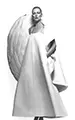
1977 - Autumn Collection
Photo: George van Herwaarde



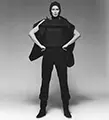
1977 - Autumn Collection
Photo: George van Herwaarde
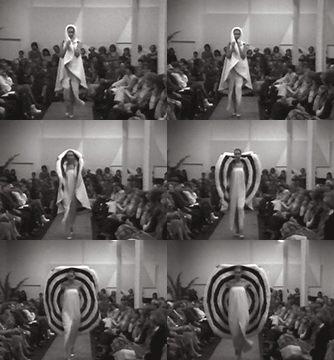

1977 - Film footage

1980 - Miep Brons
in the Circle Cape
Photo: Robert Mapplethorpe

2015 – Exhibition 'Ode aan de Nederlandse Mode'
Photo: Sabrina Bongiovanni
for Kunstmuseum Den Haag

2013 - New circle cape black and white
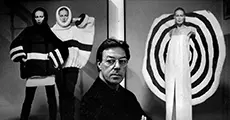
Frans Molenaar
The circle
as signature
The black-and-white circular cape from 1977 is iconic Molenaar: graphic, monumental, and sublimely constructed. He uses geometry as form and as a statement. What appears as architecture on the catwalk becomes fluid and soft on the body – an exercise in contrast and control.
Read more >
Geometric
couture
The autumn collection of 1977 represents an artistic highlight in Molenaar's geometric-abstract views. He chooses to apply only basic geometric shapes. Form, material, and color contrast are balanced. A bold, sleek, and clear concept: couture pieces made up of circles and rectangles, squares, and triangles. The shapes, which appear strict at first glance, create surprising volume and elegant movement around the body.
The circle cape in black and white is an iconic Molenaar design. Strong and striking in terms of design and size when the circular shape is fully displayed with the arms raised. Once turned over, the cape falls like a comfortable, loose-fitting coat with a lavish shawl collar.
The white version of the circle cape comes into the possession of Jopie Teekens, one of Molenaar's earliest couture clients. She and her husband Eijmert Teekens, successful entrepreneurs in the butcher trade, are among Molenaar's financial benefactors from the very beginning.
The black-and-white specimen is purchased by Miep Brons, a true Amsterdammer and flamboyant owner of textile stores and erotic video shops. With pride and visible pleasure, Molenaar dresses princesses and presenters, but also the 'woman in the street', a diverse and colorful clientele.
The square specimen adorns the cover of the exhibition catalog Designers of Fashion from the Hague Museum of Municipal History where Molenaar also extensively describes his design process and business management.
In 2013, a newly made woolen example of this cape shines on Molenaar's own catwalk as an impressive finale of the entire black-and-white summer collection. In 2015, the cape serves as the campaign image for the exhibition Ode to Dutch Fashion at the Gemeentemuseum (now Kunstmuseum Den Haag). After Molenaar's passing, the cape is added to the fashion collection, which over the years has gathered a beautiful overview of Molenaar's design career.
Credits
1977 - Autumn Collection
Photo: George van Herwaarde
1977 - Autumn Collection
Photo: George van Herwaarde
1977 - Film footage
1980 - Miep Brons
in the Circle Cape
Photo: Robert Mapplethorpe
2015 – Exhibition 'Ode aan de Nederlandse Mode'
Photo: Sabrina Bongiovanni
for Kunstmuseum Den Haag
2013 - New circle cape black and white
Frans Molenaar
The circle
as signature
The black-and-white circular cape from 1977 is iconic Molenaar: graphic, monumental, and sublimely constructed. He uses geometry as form and as a statement. What appears as architecture on the catwalk becomes fluid and soft on the body – an exercise in contrast and control.
Read more >
Geometric
couture
The autumn collection of 1977 represents an artistic highlight in Molenaar's geometric-abstract views. He chooses to apply only basic geometric shapes. Form, material, and color contrast are balanced. A bold, sleek, and clear concept: couture pieces made up of circles and rectangles, squares, and triangles. The shapes, which appear strict at first glance, create surprising volume and elegant movement around the body.
The circle cape in black and white is an iconic Molenaar design. Strong and striking in terms of design and size when the circular shape is fully displayed with the arms raised. Once turned over, the cape falls like a comfortable, loose-fitting coat with a lavish shawl collar.
The white version of the circle cape comes into the possession of Jopie Teekens, one of Molenaar's earliest couture clients. She and her husband Eijmert Teekens, successful entrepreneurs in the butcher trade, are among Molenaar's financial benefactors from the very beginning.
The black-and-white specimen is purchased by Miep Brons, a true Amsterdammer and flamboyant owner of textile stores and erotic video shops. With pride and visible pleasure, Molenaar dresses princesses and presenters, but also the 'woman in the street', a diverse and colorful clientele.
The square specimen adorns the cover of the exhibition catalog Designers of Fashion from the Hague Museum of Municipal History where Molenaar also extensively describes his design process and business management.
In 2013, a newly made woolen example of this cape shines on Molenaar's own catwalk as an impressive finale of the entire black-and-white summer collection. In 2015, the cape serves as the campaign image for the exhibition Ode to Dutch Fashion at the Gemeentemuseum (now Kunstmuseum Den Haag). After Molenaar's passing, the cape is added to the fashion collection, which over the years has gathered a beautiful overview of Molenaar's design career.
Credits
1977 - Autumn Collection
Photo: George van Herwaarde
1977 - Autumn Collection
Photo: George van Herwaarde
1977 - Film footage
1980 - Miep Brons
in the Circle Cape
Photo: Robert Mapplethorpe
2015 – Exhibition 'Ode aan de Nederlandse Mode'
Photo: Sabrina Bongiovanni
for Kunstmuseum Den Haag
2013 - New circle cape black and white
Frans Molenaar