
Website developed on behalf of
the Frans Molenaar Foundation
Texts
Story design & development
All rights reserved.
The Frans Molenaar Foundation has
sought to identify and mention all rights holders.
@ 2025






Website developed on behalf of
the Frans Molenaar Foundation
Texts
Story design & development
All rights reserved.
The Frans Molenaar Foundation has
sought to identify and mention all rights holders.
@ 2025
Suit from
the boss
As a brand new couturier in the Netherlands, Frans Molenaar makes full use of the possibilities of the emerging ready-to-wear industry. He believes that young creators also have the task of beautifying clothing in the street scene.
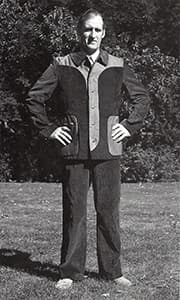
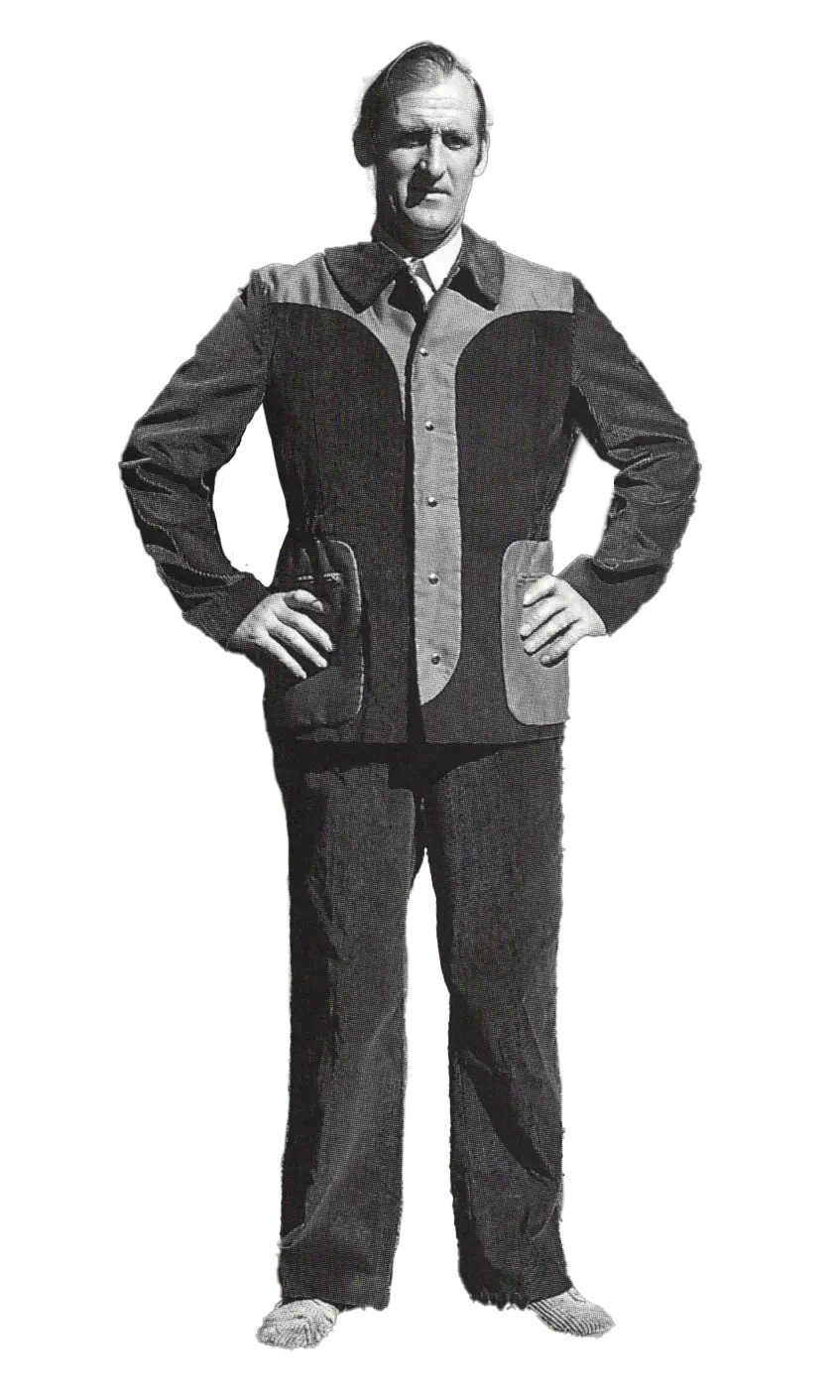
In 1972, at the request of interior designer Benno Premsela, he literally gave the Hague Municipal Cleaning Service a new look. It is his first assignment for corporate clothing, many will follow after that.
Read more >
Suit from
the boss
As a brand new couturier in the Netherlands, Frans Molenaar makes full use of the possibilities of the emerging ready-to-wear industry. He believes that young creators also have the task of beautifying clothing in the street scene. “After all, it is the person in the street who makes the fashion, not those few privileged women who happens to be rich.”
He soon realizes that it is not only exclusive designs from the salon and studio that allow a couture house to flourish. He also sees plenty of opportunities to further apply and shape his design experiments on the catwalk in a derivative form in ready-to-wear assignments.
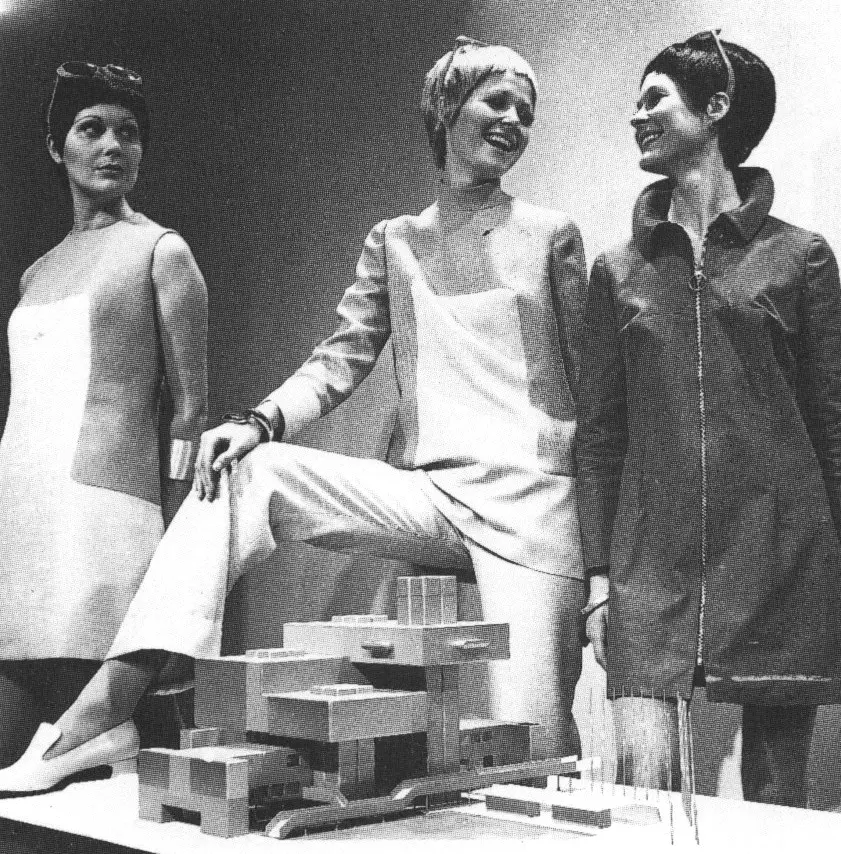
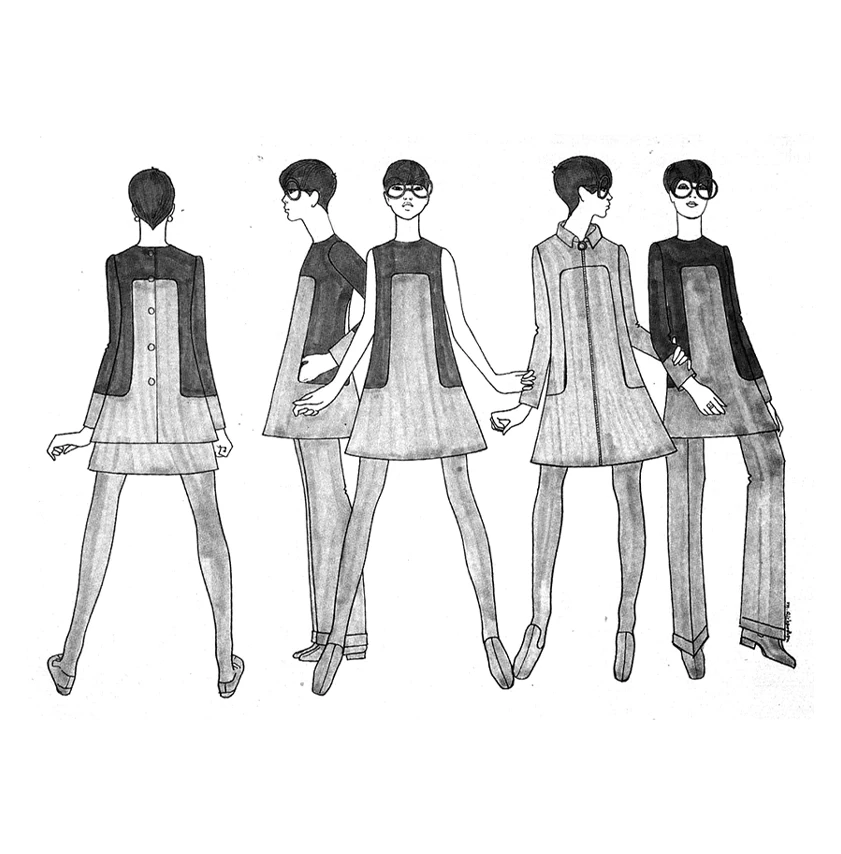
In 1972, at the request of interior designer Benno Premsela, he literally gave the Hague Municipal Cleaning Service a new look. It is his first assignment for corporate clothing, many will follow after that. Cool trouser suits made of sturdy, dark gray corduroy, woven in Enschede, by the Van Heek company. With a green scarf, that is. “A nice suit from the boss, that motivates,” said a laconic Molenaar.
The then rather controversial headlines 'Couturier dresses garbage collectors' haunted him his entire life. The work clothing apparently meets the requirements: its design has been worn by the garbage collectors in The Hague for no less than 25 years.
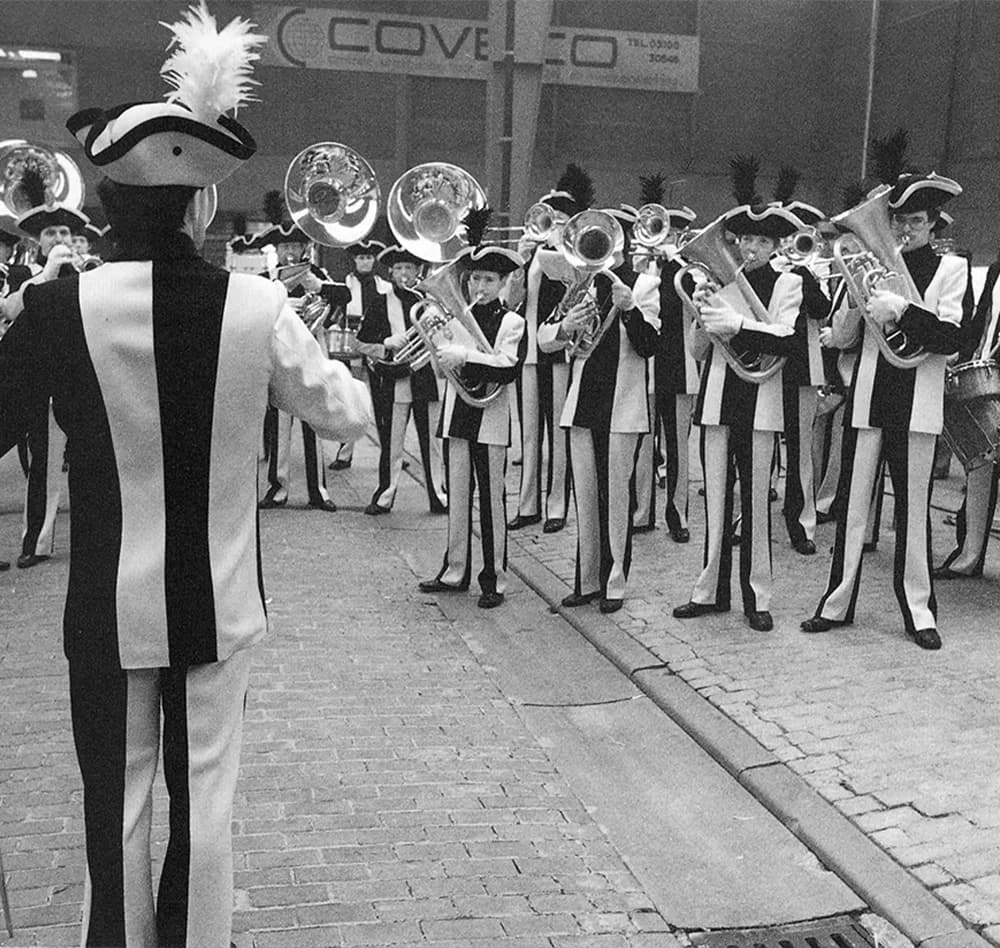
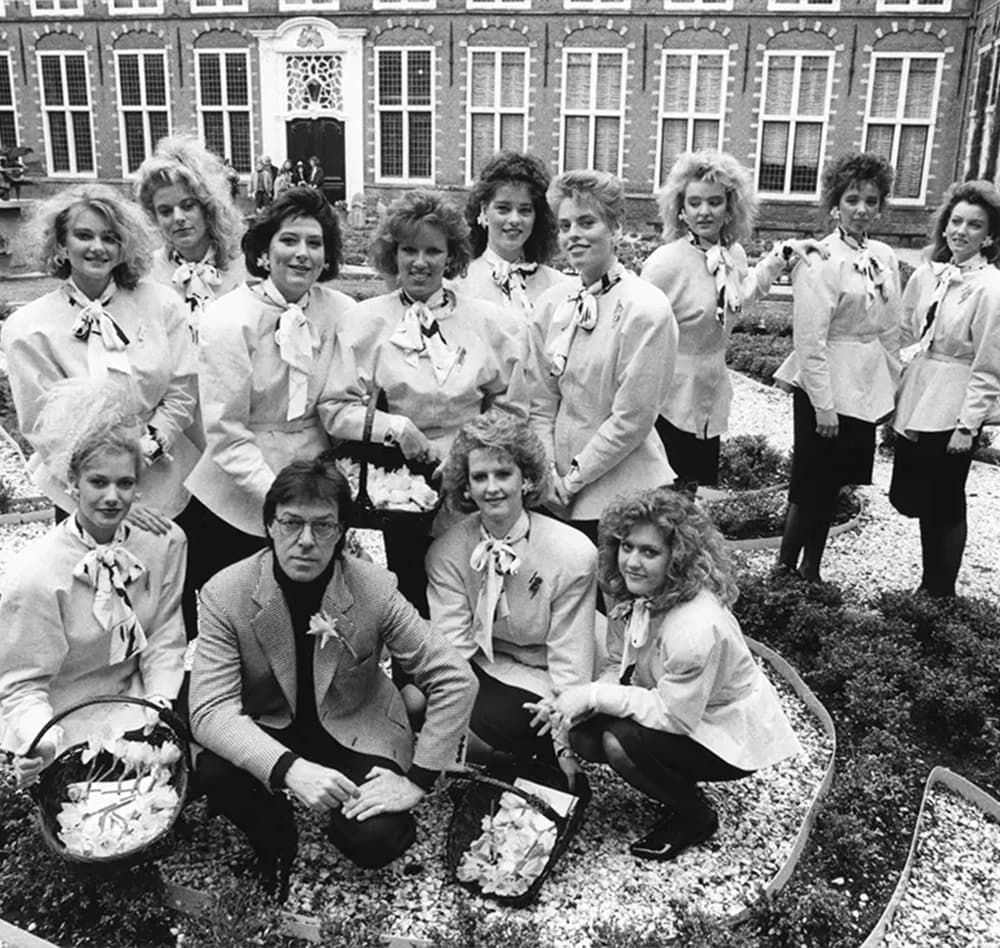
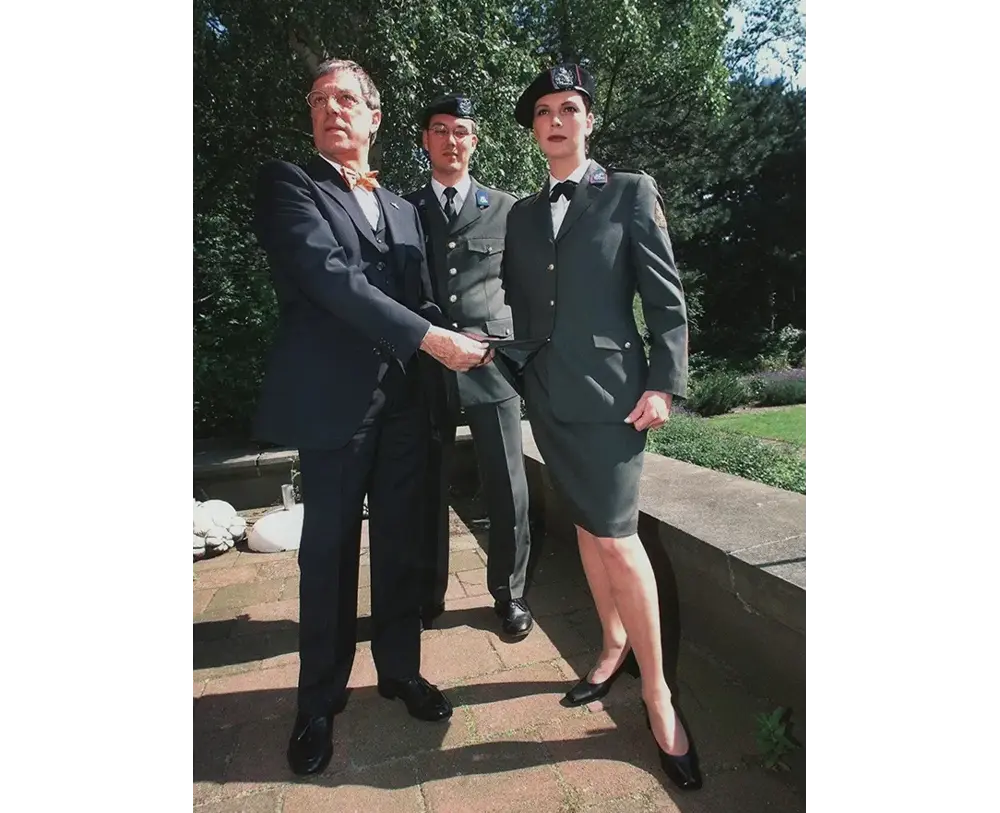
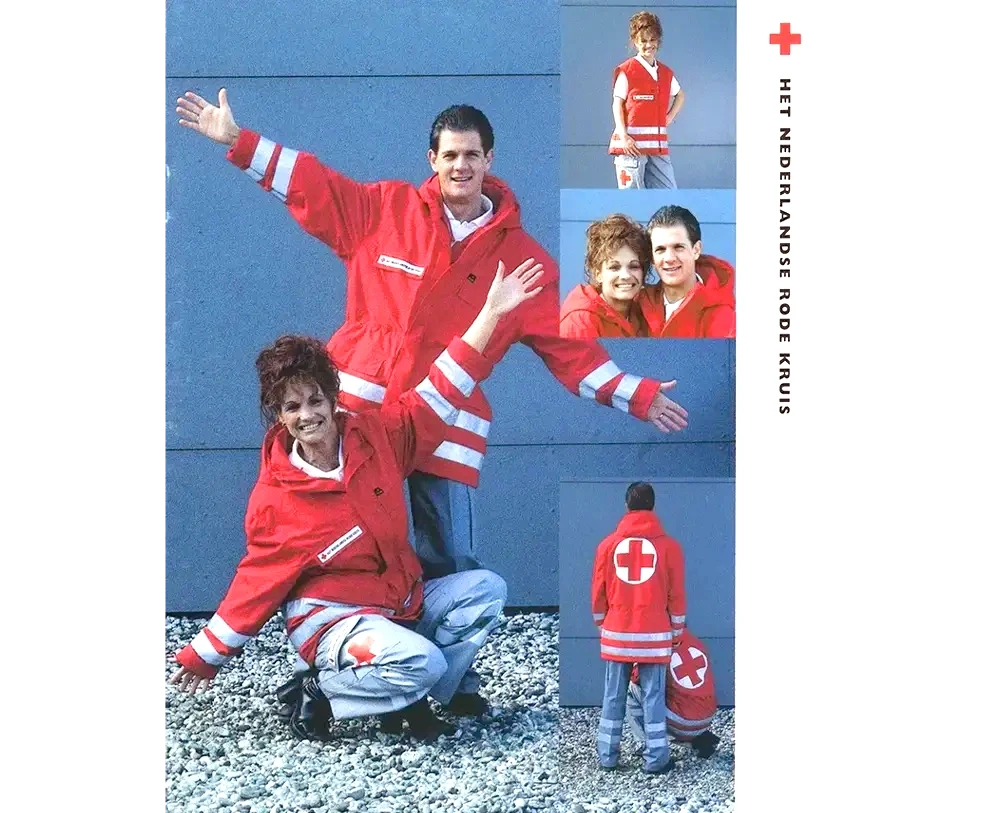
A flood of orders for work uniforms follows. Countless supermarket cashiers ('In bright blue above the sausage sandwich’ according to newspaper NRC), hostesses, Red Cross volunteers, soldiers and even Amsterdam's Sinterklaas walk around in a Molenaar design.
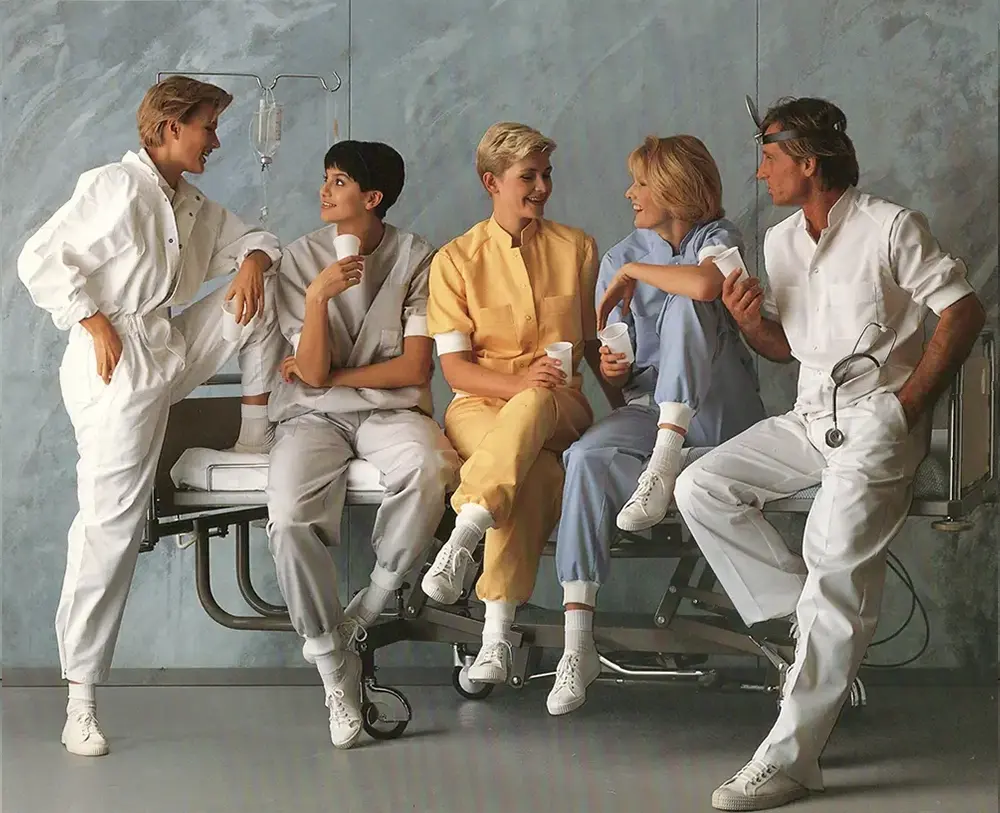
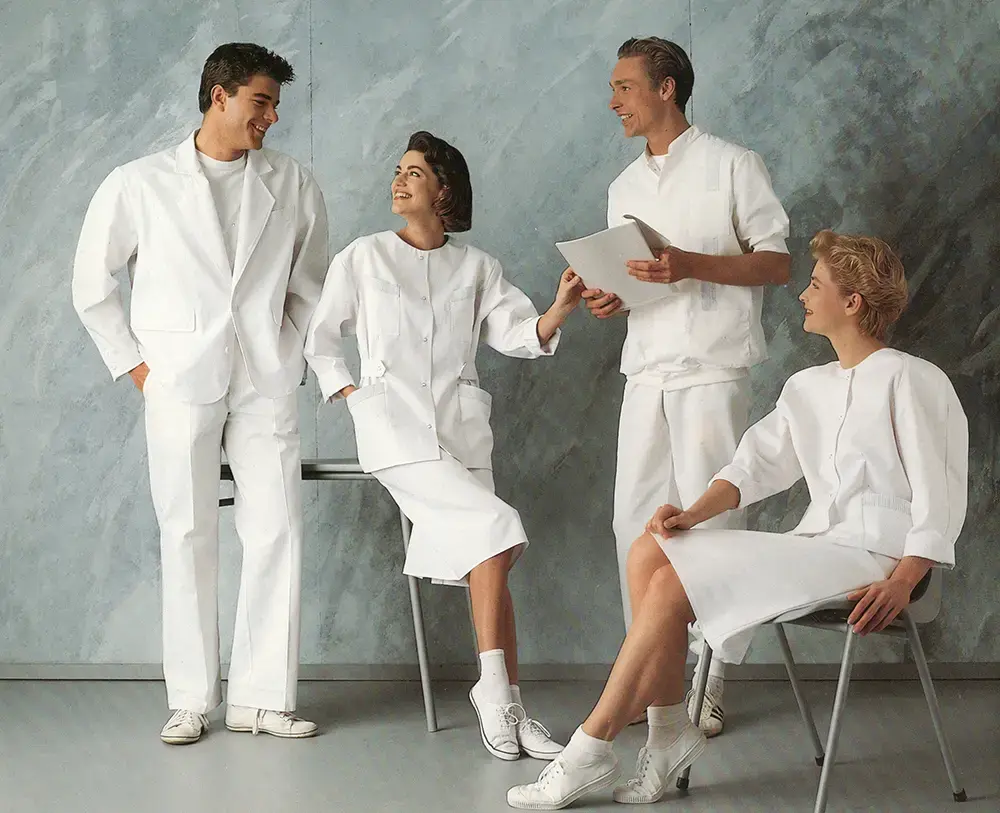
His designs keep pace with continuous innovation in yarns and fabrics. Molenaar makes good quality wearable work clothing, made accessible to every employee in the Netherlands. For the couturier, this is an almost self-evident part of his 'democratic' clothing vision.
Credits
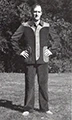

1972 – ‘Garbage man suit’
Work wear for
The Hague Municipal Cleaning Service
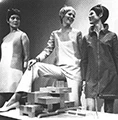
Designs for hostesses
Dutch Pavilion -
World Fair Osaka, Japan
Drawing in felt-tip pen by Marte Röling

1973 - Designs by Frans Molenaar
for The Hague Cleaning Service
Designs by Frans Molenaar
VPRO Het Gat van Nederland,
February 8, 1973

1986 - Designing for
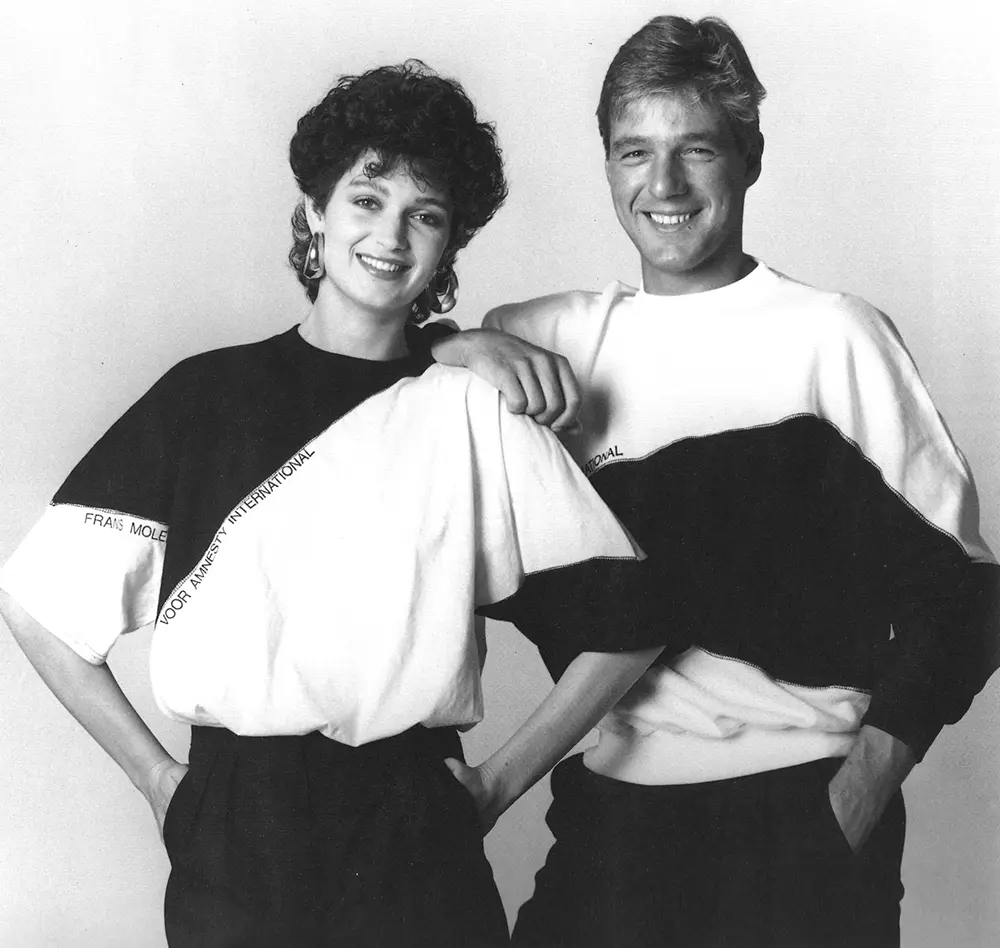
Amnesty International Amnesty
Photo: Frits Schroeder
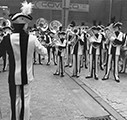
1983 - Clothing for
Marching Band Ad Vendo, Sneek
Photo: Theo van Houts
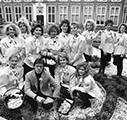
1988 – Designs for
flower girls Frans Hals Museum
Photo: United Photos de Boer
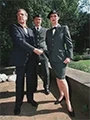
2001 - Uniforms
Royal Dutch Army
Photo: ANP-Robert Vos

1999 - Designs for
the Dutch Red Cross
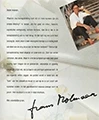
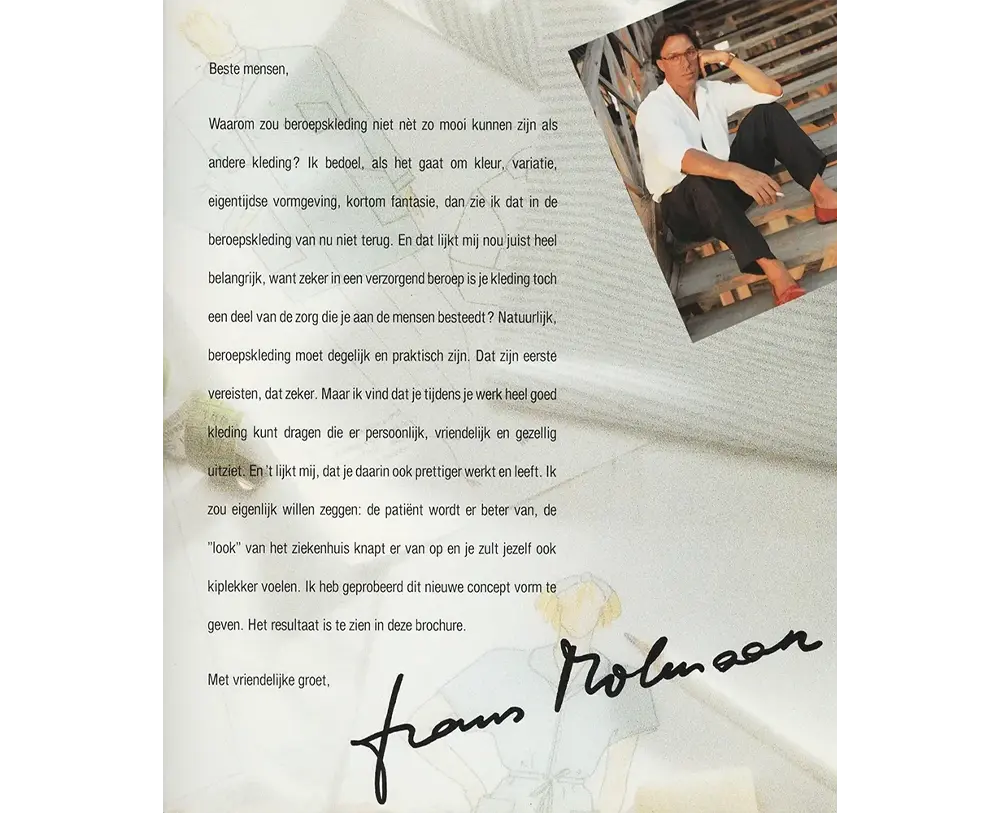
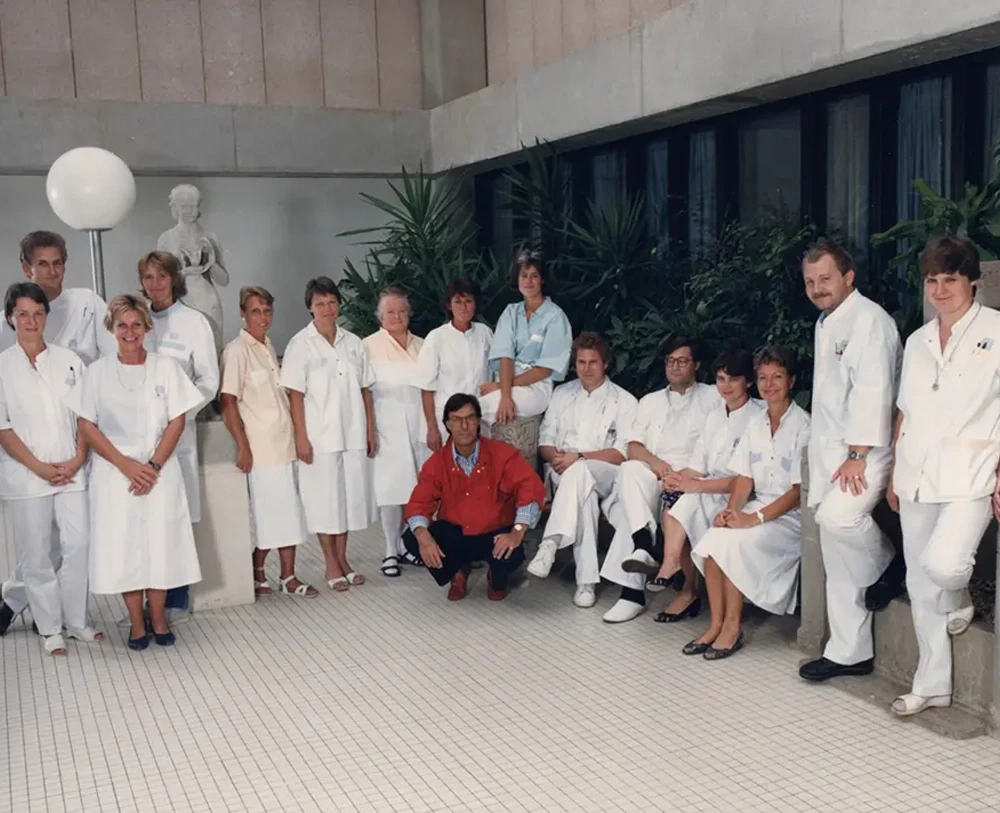
1982 - Company clothing KLM Medisign
Foreword brochure

1982 - Company clothing KLM Medisign

1982 - Company clothing KLM Medisign

1982 - Company clothing KLM Medisign

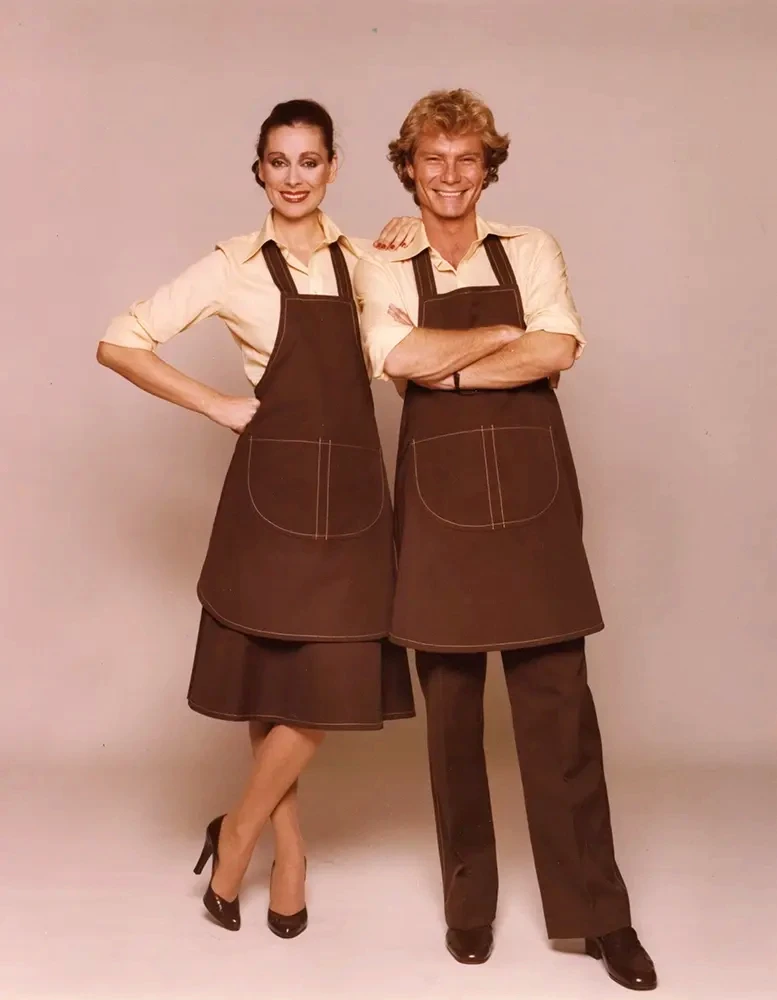
Workwear

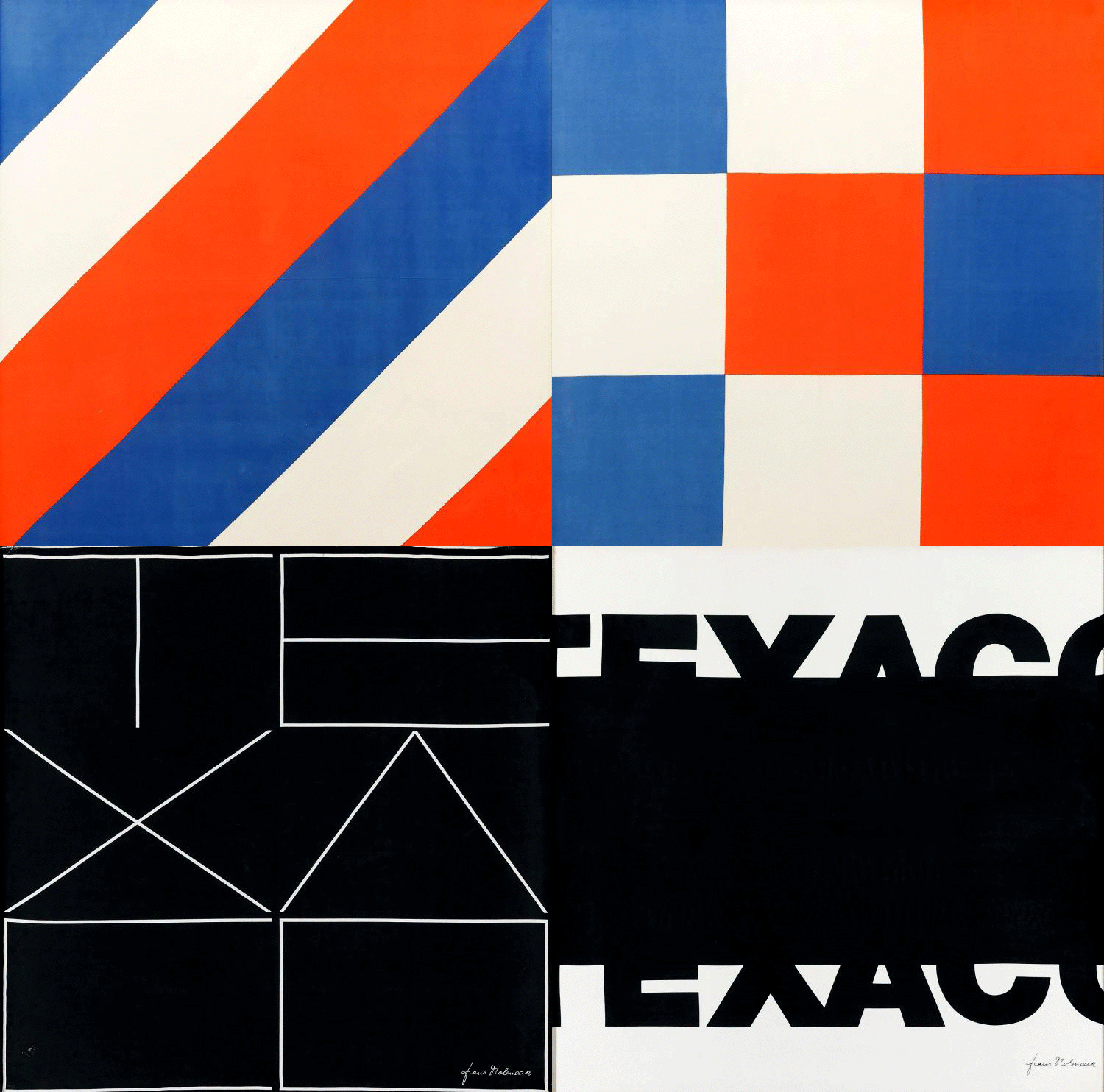
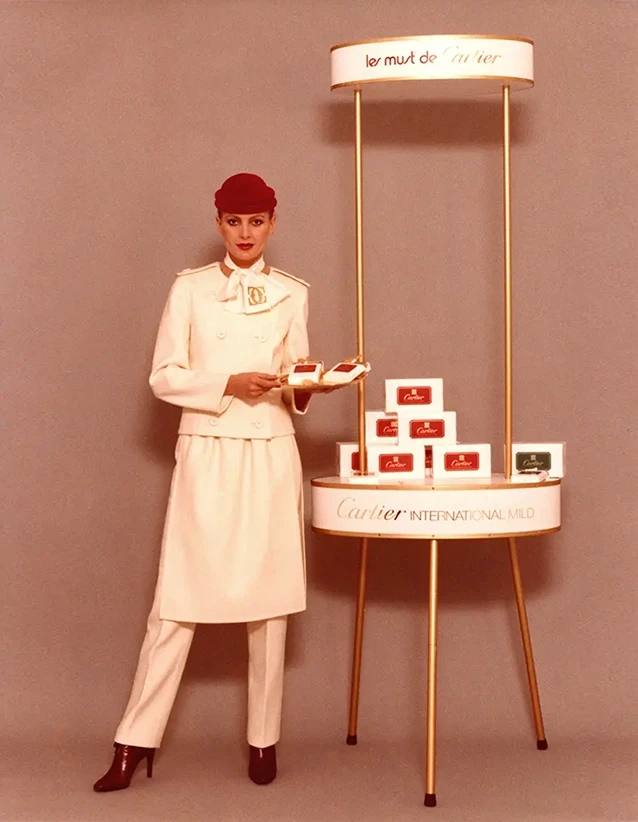
1979 – Design for Cartier Paris
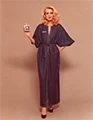
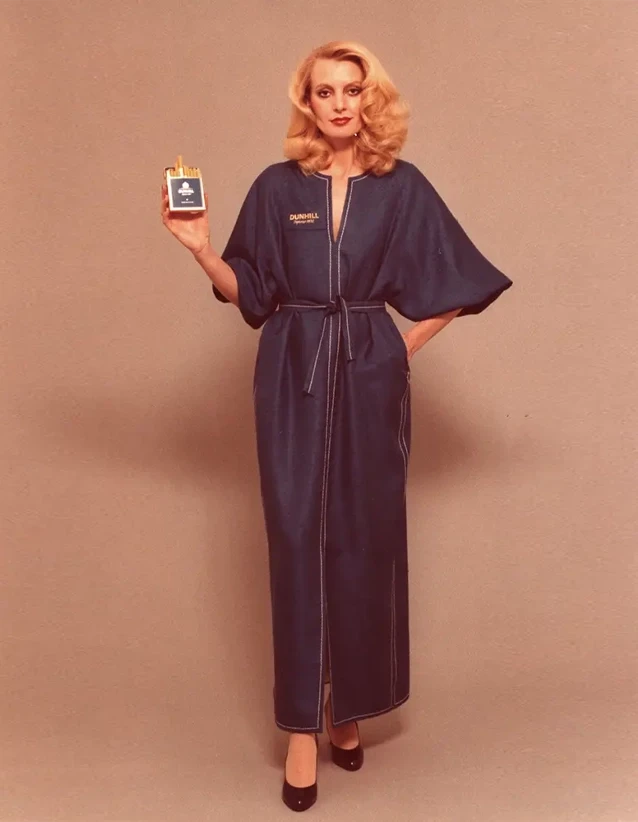
1979 – Design for Dunhill
Suit from
the boss
As a brand new couturier in the Netherlands, Frans Molenaar makes full use of the possibilities of the emerging ready-to-wear industry. He believes that young creators also have the task of beautifying clothing in the street scene.
In 1972, at the request of interior designer Benno Premsela, he literally gave the Hague Municipal Cleaning Service a new look. It is his first assignment for corporate clothing, many will follow after that.
Read more >
Suit from
the boss
As a brand new couturier in the Netherlands, Frans Molenaar makes full use of the possibilities of the emerging ready-to-wear industry. He believes that young creators also have the task of beautifying clothing in the street scene. “After all, it is the person in the street who makes the fashion, not those few privileged women who happens to be rich.”
He soon realizes that it is not only exclusive designs from the salon and studio that allow a couture house to flourish. He also sees plenty of opportunities to further apply and shape his design experiments on the catwalk in a derivative form in ready-to-wear assignments.
In 1972, at the request of interior designer Benno Premsela, he literally gave the Hague Municipal Cleaning Service a new look. It is his first assignment for corporate clothing, many will follow after that. Cool trouser suits made of sturdy, dark gray corduroy, woven in Enschede, by the Van Heek company. With a green scarf, that is. “A nice suit from the boss, that motivates,” said a laconic Molenaar.
The then rather controversial headlines 'Couturier dresses garbage collectors' haunted him his entire life. The work clothing apparently meets the requirements: its design has been worn by the garbage collectors in The Hague for no less than 25 years.
A flood of orders for work uniforms follows. Countless supermarket cashiers ('In bright blue above the sausage sandwich’ according to newspaper NRC), hostesses, Red Cross volunteers, soldiers and even Amsterdam's Sinterklaas walk around in a Molenaar design.
His designs keep pace with continuous innovation in yarns and fabrics. Molenaar makes good quality wearable work clothing, made accessible to every employee in the Netherlands. For the couturier, this is an almost self-evident part of his 'democratic' clothing vision.
Credits
1972 – ‘Garbage man suit’
Work wear for
The Hague Municipal Cleaning Service
Designs for hostesses
Dutch Pavilion -
World Fair Osaka, Japan
Drawing in felt-tip pen by Marte Röling
1973 - Designs by Frans Molenaar
for The Hague Cleaning Service
Designs by Frans Molenaar
VPRO Het Gat van Nederland,
February 8, 1973
1986 - Designing for
Amnesty International Amnesty
Photo: Frits Schroeder
1983 - Clothing for
Marching Band Ad Vendo, Sneek
Photo: Theo van Houts
1988 – Designs for
flower girls Frans Hals Museum
Photo: United Photos de Boer
2001 - Uniforms
Royal Dutch Army
Photo: ANP-Robert Vos
1999 - Designs for
the Dutch Red Cross
1982 - Company clothing KLM Medisign
Foreword brochure
1982 - Company clothing KLM Medisign
1982 - Company clothing KLM Medisign
1982 - Company clothing KLM Medisign
Workwear
1979 – Design for Cartier Paris
1979 – Design for Dunhill
Suit from
the boss
As a brand new couturier in the Netherlands, Frans Molenaar makes full use of the possibilities of the emerging ready-to-wear industry. He believes that young creators also have the task of beautifying clothing in the street scene.
In 1972, at the request of interior designer Benno Premsela, he literally gave the Hague Municipal Cleaning Service a new look. It is his first assignment for corporate clothing, many will follow after that.
Read more >
Suit from
the boss
As a brand new couturier in the Netherlands, Frans Molenaar makes full use of the possibilities of the emerging ready-to-wear industry. He believes that young creators also have the task of beautifying clothing in the street scene. “After all, it is the person in the street who makes the fashion, not those few privileged women who happens to be rich.”
He soon realizes that it is not only exclusive designs from the salon and studio that allow a couture house to flourish. He also sees plenty of opportunities to further apply and shape his design experiments on the catwalk in a derivative form in ready-to-wear assignments.
In 1972, at the request of interior designer Benno Premsela, he literally gave the Hague Municipal Cleaning Service a new look. It is his first assignment for corporate clothing, many will follow after that. Cool trouser suits made of sturdy, dark gray corduroy, woven in Enschede, by the Van Heek company. With a green scarf, that is. “A nice suit from the boss, that motivates,” said a laconic Molenaar.
The then rather controversial headlines 'Couturier dresses garbage collectors' haunted him his entire life. The work clothing apparently meets the requirements: its design has been worn by the garbage collectors in The Hague for no less than 25 years.
A flood of orders for work uniforms follows. Countless supermarket cashiers ('In bright blue above the sausage sandwich’ according to newspaper NRC), hostesses, Red Cross volunteers, soldiers and even Amsterdam's Sinterklaas walk around in a Molenaar design.
His designs keep pace with continuous innovation in yarns and fabrics. Molenaar makes good quality wearable work clothing, made accessible to every employee in the Netherlands. For the couturier, this is an almost self-evident part of his 'democratic' clothing vision.
Credits
1972 – ‘Garbage man suit’
Work wear for
The Hague Municipal Cleaning Service
Designs for hostesses
Dutch Pavilion -
World Fair Osaka, Japan
Drawing in felt-tip pen by Marte Röling
1973 - Designs by Frans Molenaar
for The Hague Cleaning Service
Designs by Frans Molenaar
VPRO Het Gat van Nederland,
February 8, 1973
1986 - Designing for
Amnesty International Amnesty
Photo: Frits Schroeder
1983 - Clothing for
Marching Band Ad Vendo, Sneek
Photo: Theo van Houts
1988 – Designs for
flower girls Frans Hals Museum
Photo: United Photos de Boer
2001 - Uniforms
Royal Dutch Army
Photo: ANP-Robert Vos
1999 - Designs for
the Dutch Red Cross
1982 - Company clothing KLM Medisign
Foreword brochure
1982 - Company clothing KLM Medisign
1982 - Company clothing KLM Medisign
1982 - Company clothing KLM Medisign
Workwear
1979 – Design for Cartier Paris
1979 – Design for Dunhill