
Website developed on behalf of
the Frans Molenaar Foundation
Texts
Story design & development
All rights reserved.
The Frans Molenaar Foundation has
sought to identify and mention all rights holders.
@ 2025


Website developed on behalf of
the Frans Molenaar Foundation
Texts
Story design & development
All rights reserved.
The Frans Molenaar Foundation has
sought to identify and mention all rights holders.
@ 2025


Canvas
mini dresses
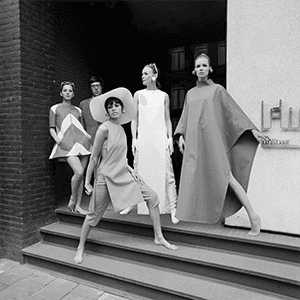
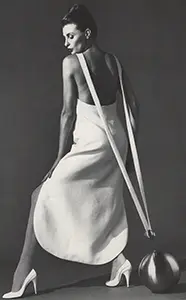
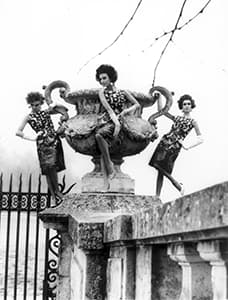
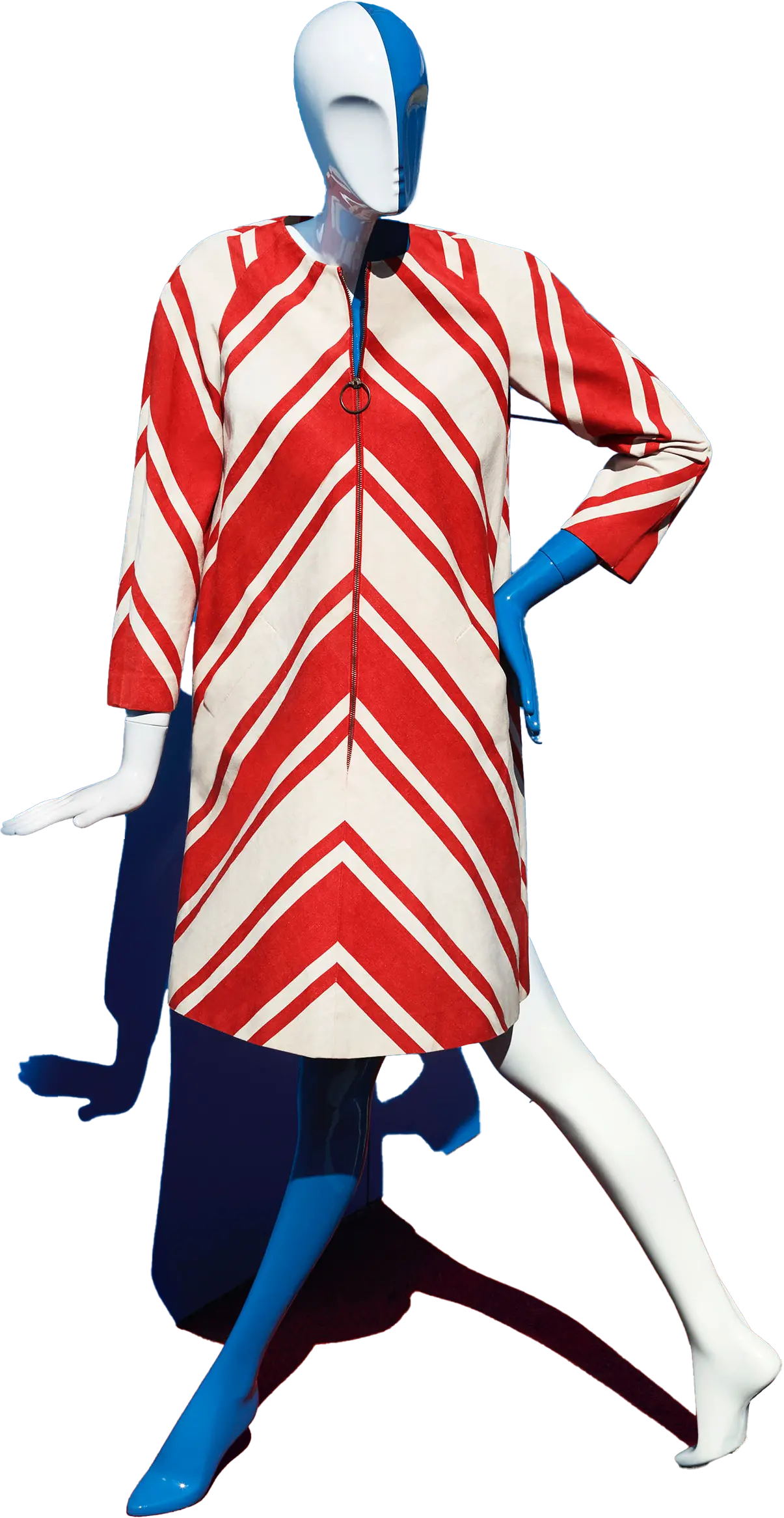
These mini dresses or 'tent dresses' are part of the earliest ready-to-wear collections that Frans Molenaar launched in 1967, at the same time opening his couture house in Amsterdam. As an upcoming couturier with limited resources, he wants to attract attention on several fronts. A sense of publicity is second nature to him.
Read more >
Striking
tent dresses
These mini dresses or 'tent dresses' are part of the earliest ready-to-wear collections that Frans Molenaar launched in 1967, at the same time opening his couture house in Amsterdam. As an upcoming couturier with limited resources, he wants to attract attention on several fronts. A sense of publicity is second nature to him.
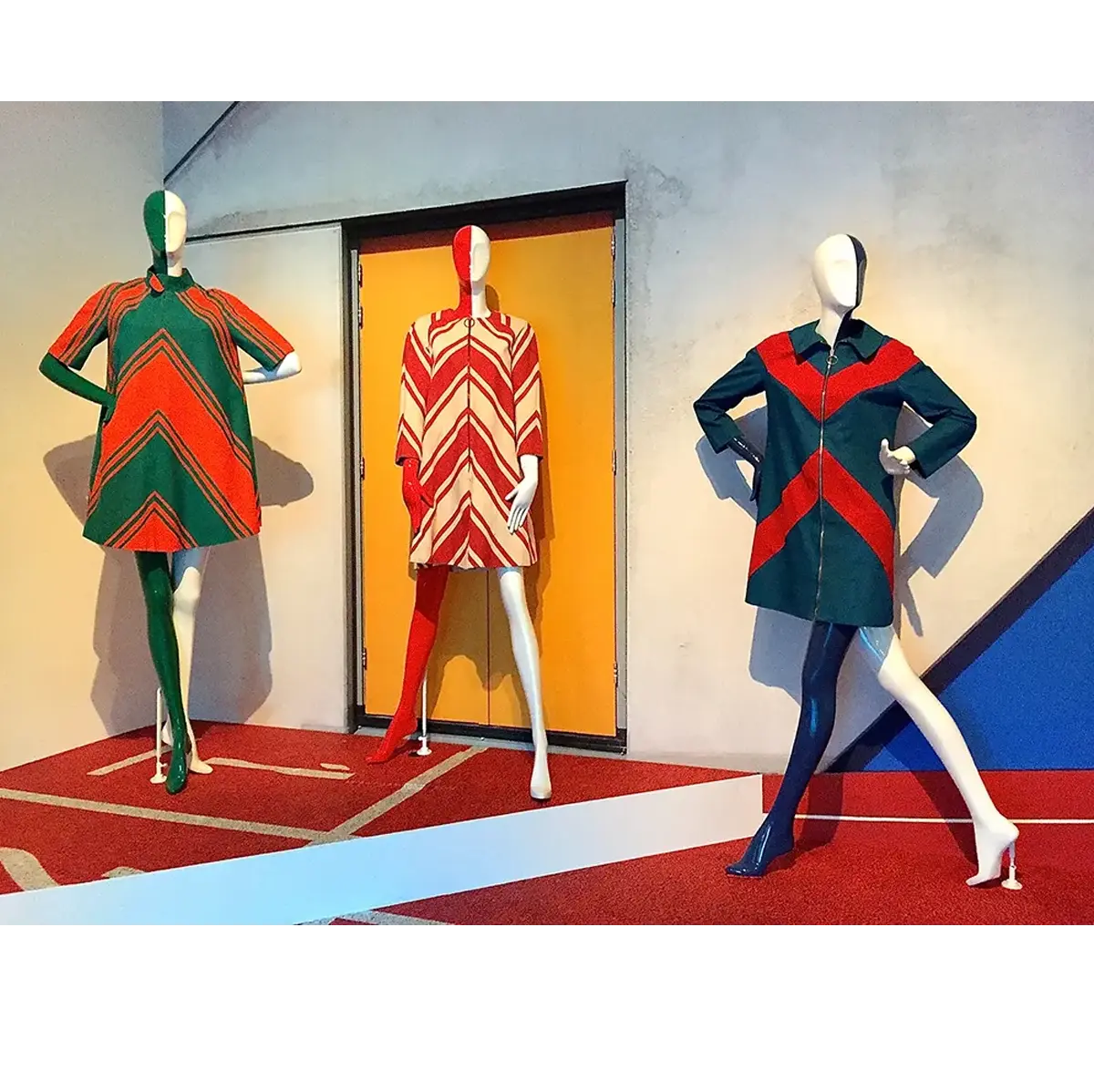
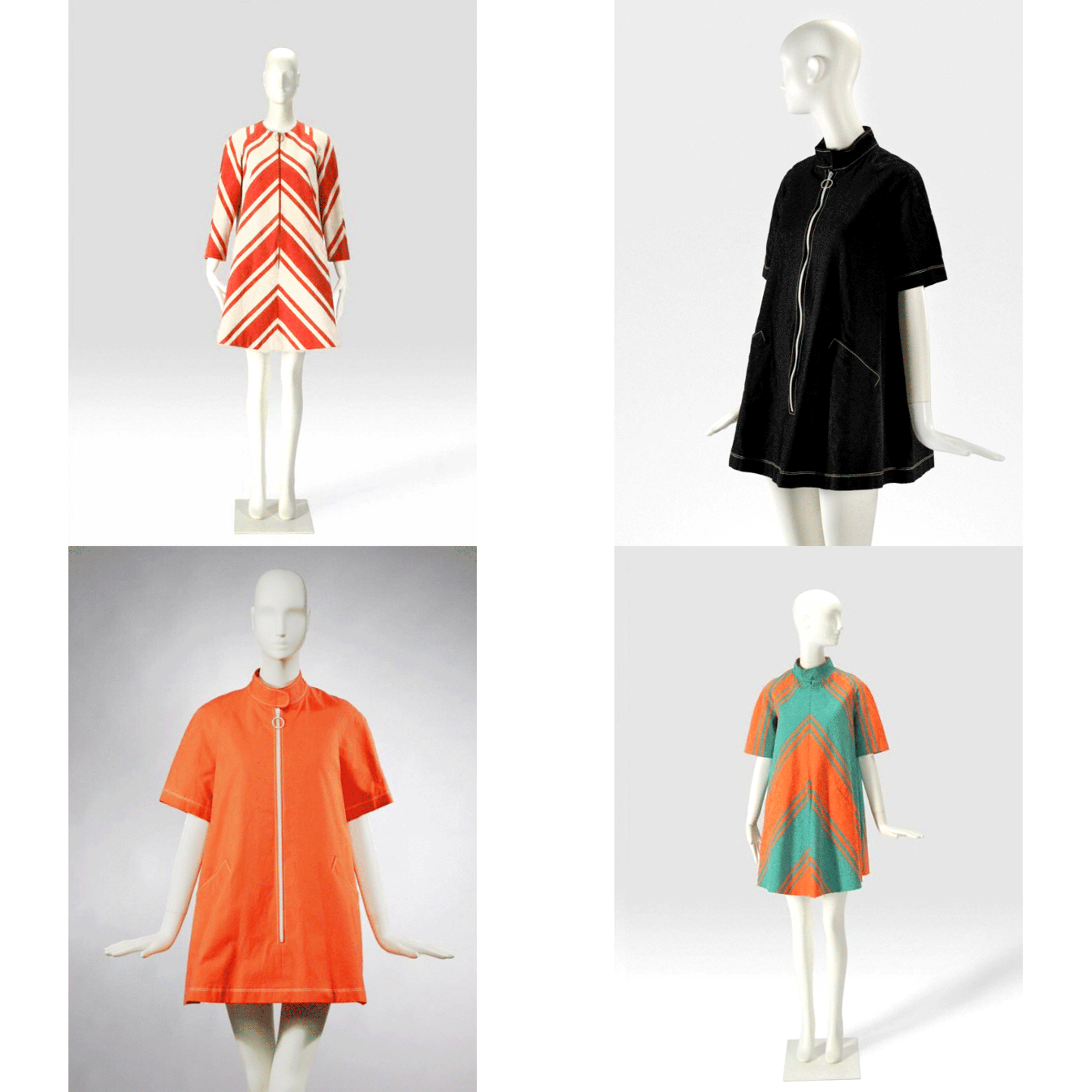
With this design, Molenaar responds to the pulse of the time. Towards the end of the turbulent 1960s, the younger generation threw their parents' modest, casual clothes out the window. After all, authority lost its hold in other social areas as well. Young people started to wear fresher, more accessible and more informal clothing. They allowed themselves more variety and frivolity.
Mary Quant's fresh and rebellious mini fashion is causing a fashion revolution in London. In Paris, renowned fashion houses such as Pierre Cardin, Louis Féraud and Nina Ricci embrace this new, elegant youth fashion, while other fashion giants such as Balenciaga and Givenchy prefer to stick to their couture tradition.
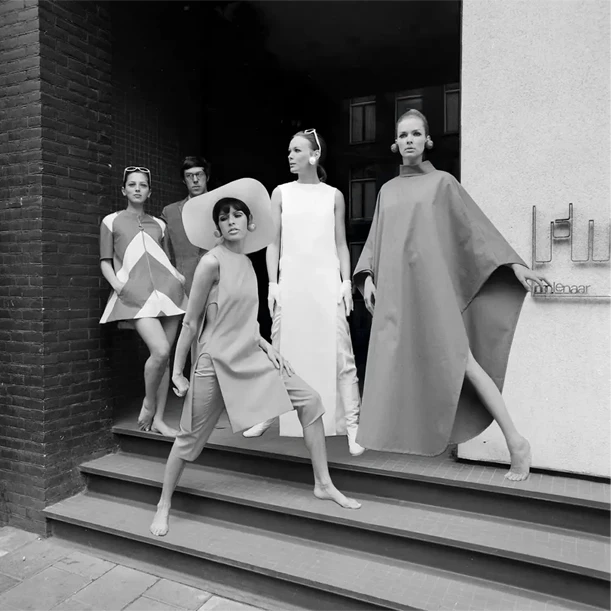
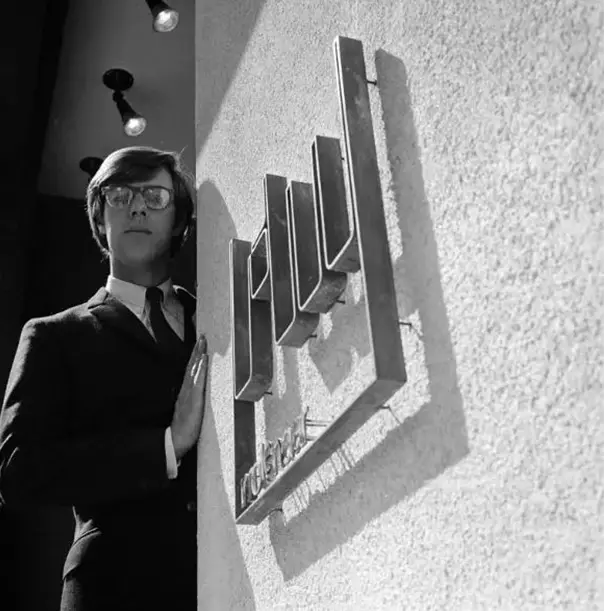
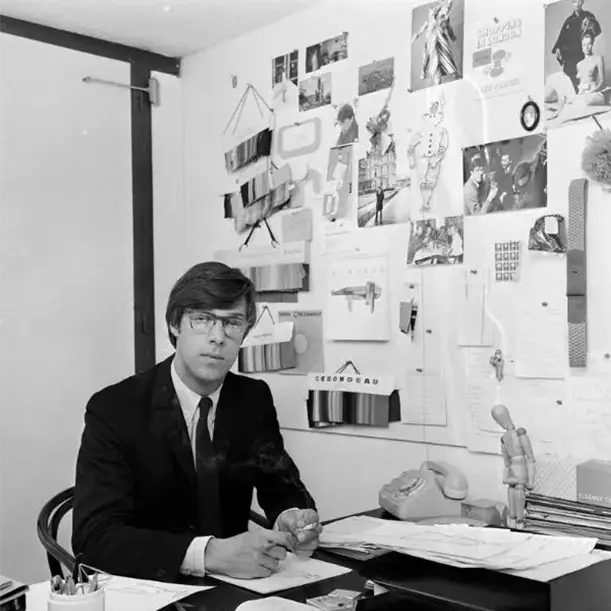
In the Netherlands, the young Molenaar sets the trend with his tent dresses. He sells them in his newly opened shop at Van Baerlestraat 14 in Amsterdam. Here, these exclusive 'boutique' models are made in small quantities in his own studio. In most cases, there is only one piece of each size in the same fabric, sold at reasonable prices.
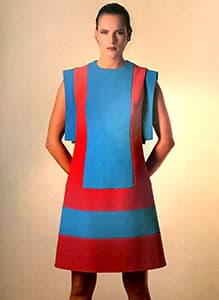
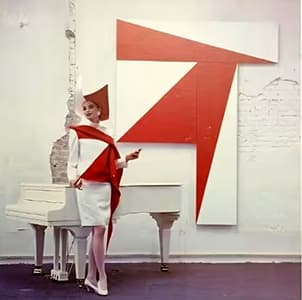
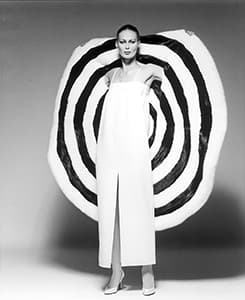
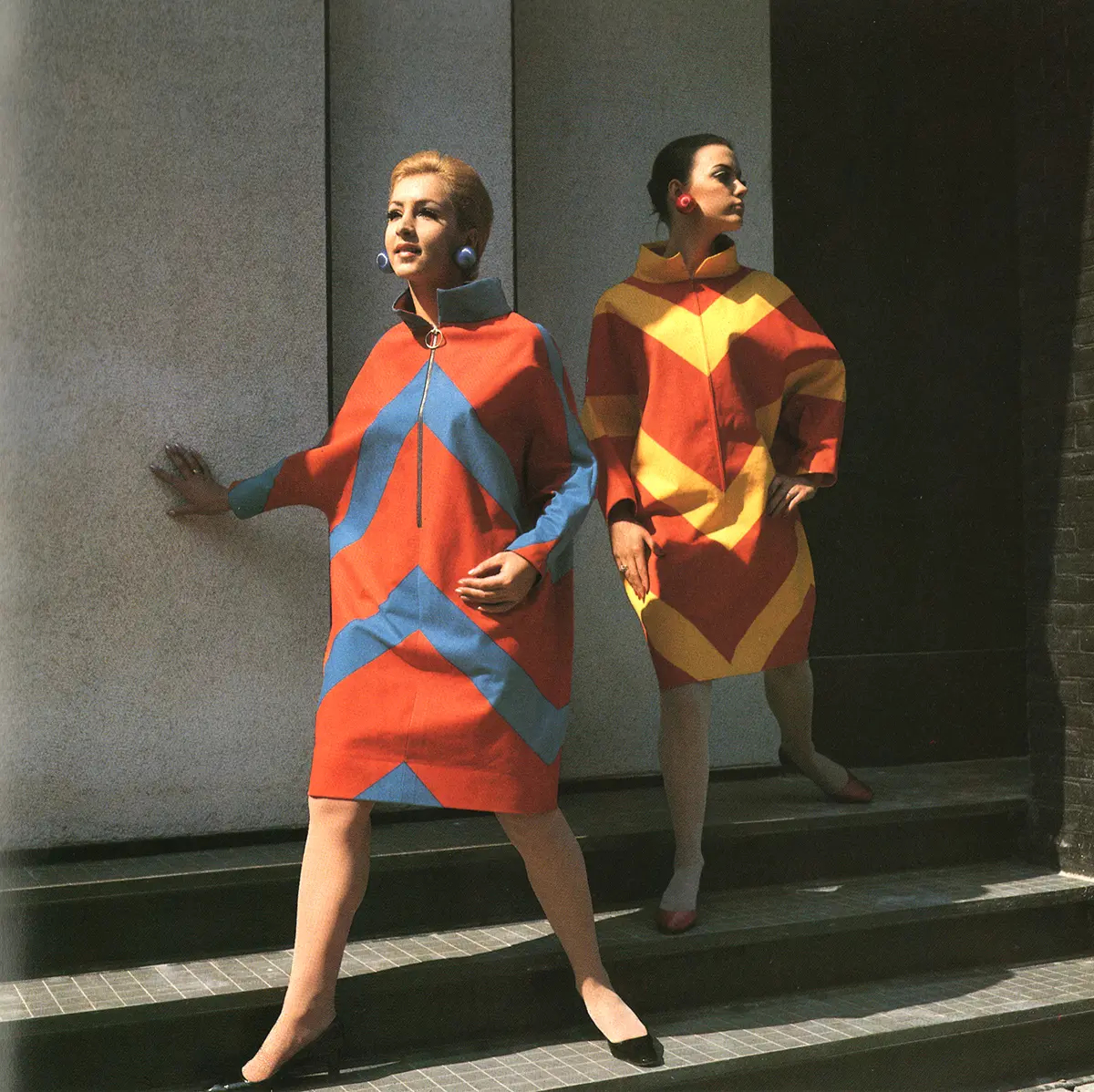
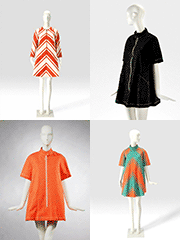
The wide, cotton canvas dresses have a strict division with diagonal lines in contrasting colors, with little other 'embellishment' than a practical zipper, which often forms part of the division. Perfectly fitting within the clear design concepts of the still young master.
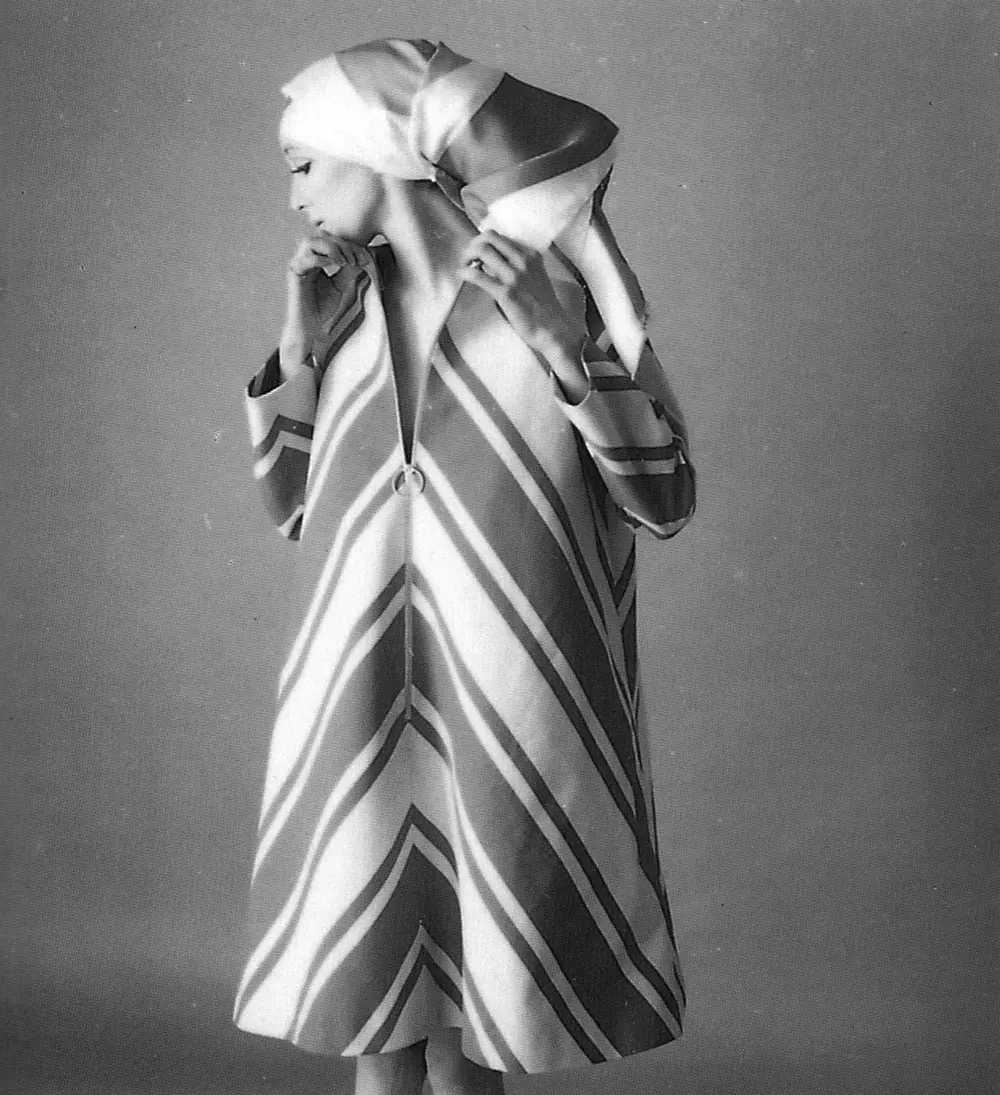
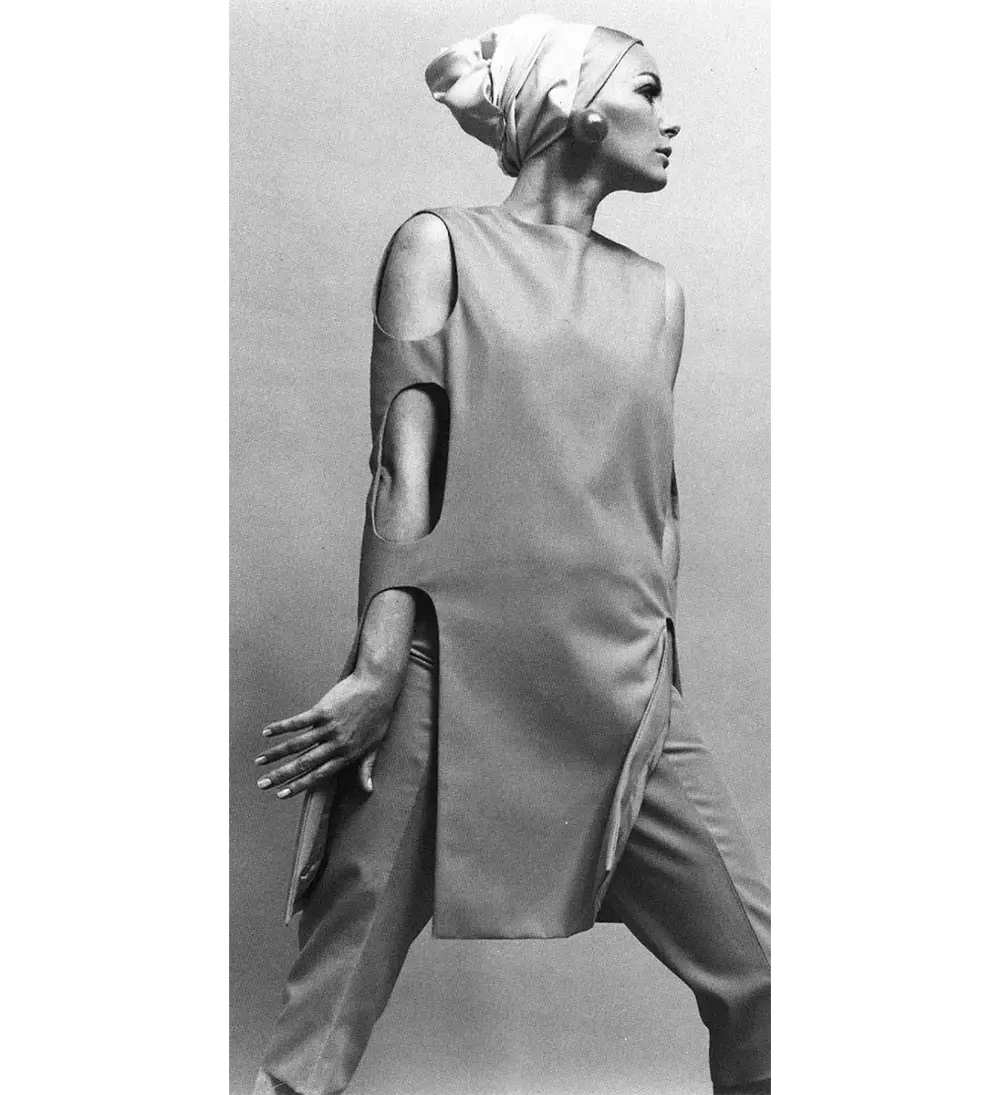
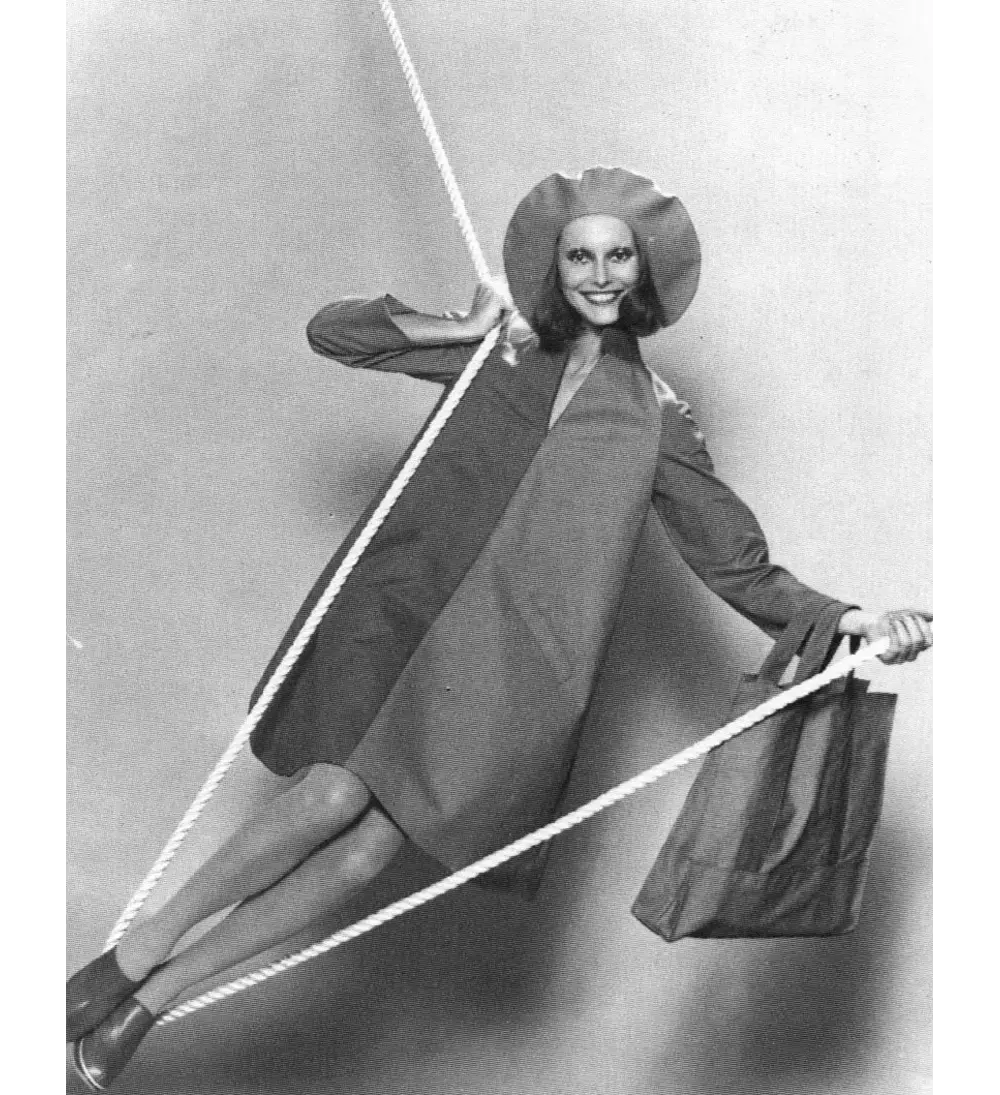
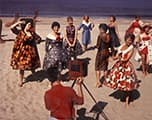
With these fresh and attractive-looking 'beach collections', Frans Molenaar is targeting a younger customer base. That has an effect, because hip Amsterdam can't stop talking about it and flocks to his salon in large numbers. Journalist and broadcaster Ageeth Scherphuis was one of those young Amsterdam customers at the time: 'There was even a line at the door, this was the place to be, those dresses sold out in droves.'
Credits


1967 - Couture collection
Spring/Summer 1967
Tent dresses in orange-blue canvas
and orange-yellow orange canvas
Photo: Jacques Klok
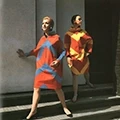
1967 - Couture collection
Spring/Summer 1967
Tent dresses in orange-blue canvas
and orange-yellow orange canvas
Photo: Jacques Klok

2015 Exhibition
'Ode aan de Nederlandse Mode'
Kunstmuseum Den Haag
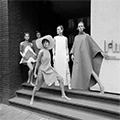
1967 - Couture collection
Spring/Summer 1967
Models in front of the boutique
Van Baerlestraat, Amsterdam
Photo: ANP-Ben Hansen

1967 – Boutique
Van Baerlestraat 14
Frans Molenaar next to logo
designed by Josephine Dam-Holt
Photo: ANP - Jacques Klok Photo: ANP - Jacques Klok

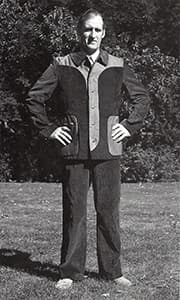
1967 – Frans Molenaar
August 1967
Photo: ANP - Jacques Klok
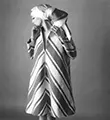
1967 - Couture collection
Spring/Summer 1967
Photo: George van Herwaarde

1967 - Beach Collection
Photo: George van Herwaarde

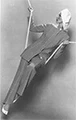
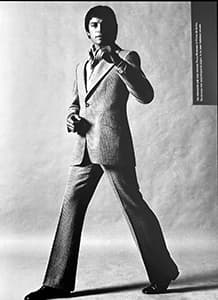
1972 - Couture collection
Spring/Summer 1972
Photo: George van Herwaarde
Canvas
mini dresses
These mini dresses or 'tent dresses' are part of the earliest ready-to-wear collections that Frans Molenaar launched in 1967, at the same time opening his couture house in Amsterdam. As an upcoming couturier with limited resources, he wants to attract attention on several fronts. A sense of publicity is second nature to him.
Read more >
Striking
tent dresses
These mini dresses or 'tent dresses' are part of the earliest ready-to-wear collections that Frans Molenaar launched in 1967, at the same time opening his couture house in Amsterdam. As an upcoming couturier with limited resources, he wants to attract attention on several fronts. A sense of publicity is second nature to him.
With this design, Molenaar responds to the pulse of the time. Towards the end of the turbulent 1960s, the younger generation threw their parents' modest, casual clothes out the window. After all, authority lost its hold in other social areas as well. Young people started to wear fresher, more accessible and more informal clothing. They allowed themselves more variety and frivolity.
Mary Quant's fresh and rebellious mini fashion is causing a fashion revolution in London. In Paris, renowned fashion houses such as Pierre Cardin, Louis Féraud and Nina Ricci embrace this new, elegant youth fashion, while other fashion giants such as Balenciaga and Givenchy prefer to stick to their couture tradition.
In the Netherlands, the young Molenaar sets the trend with his tent dresses. He sells them in his newly opened shop at Van Baerlestraat 14 in Amsterdam. Here, these exclusive 'boutique' models are made in small quantities in his own studio. In most cases, there is only one piece of each size in the same fabric, sold at reasonable prices.
The wide, cotton canvas dresses have a strict division with diagonal lines in contrasting colors, with little other 'embellishment' than a practical zipper, which often forms part of the division. Perfectly fitting within the clear design concepts of the still young master.
With these fresh and attractive-looking 'beach collections', Frans Molenaar is targeting a younger customer base. That has an effect, because hip Amsterdam can't stop talking about it and flocks to his salon in large numbers. Journalist and broadcaster Ageeth Scherphuis was one of those young Amsterdam customers at the time: 'There was even a line at the door, this was the place to be, those dresses sold out in droves.'
Credits
1967 - Couture collection
Spring/Summer 1967
Tent dresses in orange-blue canvas
and orange-yellow orange canvas
Photo: Jacques Klok
1967 - Couture collection
Spring/Summer 1967
Tent dresses in orange-blue canvas
and orange-yellow orange canvas
Photo: Jacques Klok
2015 Exhibition
'Ode aan de Nederlandse Mode'
Kunstmuseum Den Haag
1967 - Couture collection
Spring/Summer 1967
Models in front of the boutique
Van Baerlestraat, Amsterdam
Photo: ANP-Ben Hansen
1967 – Boutique
Van Baerlestraat 14
Frans Molenaar next to logo
designed by Josephine Dam-Holt
Photo: ANP - Jacques Klok Photo: ANP - Jacques Klok
1967 – Frans Molenaar
August 1967
Photo: ANP - Jacques Klok
1967 - Couture collection
Spring/Summer 1967
Photo: George van Herwaarde
1967 - Beach Collection
Photo: George van Herwaarde
1972 - Couture collection
Spring/Summer 1972
Photo: George van Herwaarde
Canvas
mini dresses
These mini dresses or 'tent dresses' are part of the earliest ready-to-wear collections that Frans Molenaar launched in 1967, at the same time opening his couture house in Amsterdam. As an upcoming couturier with limited resources, he wants to attract attention on several fronts. A sense of publicity is second nature to him.
Read more >
Striking
tent dresses
These mini dresses or 'tent dresses' are part of the earliest ready-to-wear collections that Frans Molenaar launched in 1967, at the same time opening his couture house in Amsterdam. As an upcoming couturier with limited resources, he wants to attract attention on several fronts. A sense of publicity is second nature to him.
With this design, Molenaar responds to the pulse of the time. Towards the end of the turbulent 1960s, the younger generation threw their parents' modest, casual clothes out the window. After all, authority lost its hold in other social areas as well. Young people started to wear fresher, more accessible and more informal clothing. They allowed themselves more variety and frivolity.
Mary Quant's fresh and rebellious mini fashion is causing a fashion revolution in London. In Paris, renowned fashion houses such as Pierre Cardin, Louis Féraud and Nina Ricci embrace this new, elegant youth fashion, while other fashion giants such as Balenciaga and Givenchy prefer to stick to their couture tradition.
In the Netherlands, the young Molenaar sets the trend with his tent dresses. He sells them in his newly opened shop at Van Baerlestraat 14 in Amsterdam. Here, these exclusive 'boutique' models are made in small quantities in his own studio. In most cases, there is only one piece of each size in the same fabric, sold at reasonable prices.
The wide, cotton canvas dresses have a strict division with diagonal lines in contrasting colors, with little other 'embellishment' than a practical zipper, which often forms part of the division. Perfectly fitting within the clear design concepts of the still young master.
With these fresh and attractive-looking 'beach collections', Frans Molenaar is targeting a younger customer base. That has an effect, because hip Amsterdam can't stop talking about it and flocks to his salon in large numbers. Journalist and broadcaster Ageeth Scherphuis was one of those young Amsterdam customers at the time: 'There was even a line at the door, this was the place to be, those dresses sold out in droves.'
Credits
1967 - Couture collection
Spring/Summer 1967
Tent dresses in orange-blue canvas
and orange-yellow orange canvas
Photo: Jacques Klok
1967 - Couture collection
Spring/Summer 1967
Tent dresses in orange-blue canvas
and orange-yellow orange canvas
Photo: Jacques Klok
2015 Exhibition
'Ode aan de Nederlandse Mode'
Kunstmuseum Den Haag
1967 - Couture collection
Spring/Summer 1967
Models in front of the boutique
Van Baerlestraat, Amsterdam
Photo: ANP-Ben Hansen
1967 – Boutique
Van Baerlestraat 14
Frans Molenaar next to logo
designed by Josephine Dam-Holt
Photo: ANP - Jacques Klok Photo: ANP - Jacques Klok
1967 – Frans Molenaar
August 1967
Photo: ANP - Jacques Klok
1967 - Couture collection
Spring/Summer 1967
Photo: George van Herwaarde
1967 - Beach Collection
Photo: George van Herwaarde
1972 - Couture collection
Spring/Summer 1972
Photo: George van Herwaarde