
Website developed on behalf of
the Frans Molenaar Foundation
Texts
Story design & development
All rights reserved.
The Frans Molenaar Foundation has
sought to identify and mention all rights holders.
@ 2025

Website developed on behalf of
the Frans Molenaar Foundation
Texts
Story design & development
All rights reserved.
The Frans Molenaar Foundation has
sought to identify and mention all rights holders.
@ 2025



Fashion atelier
on the beach
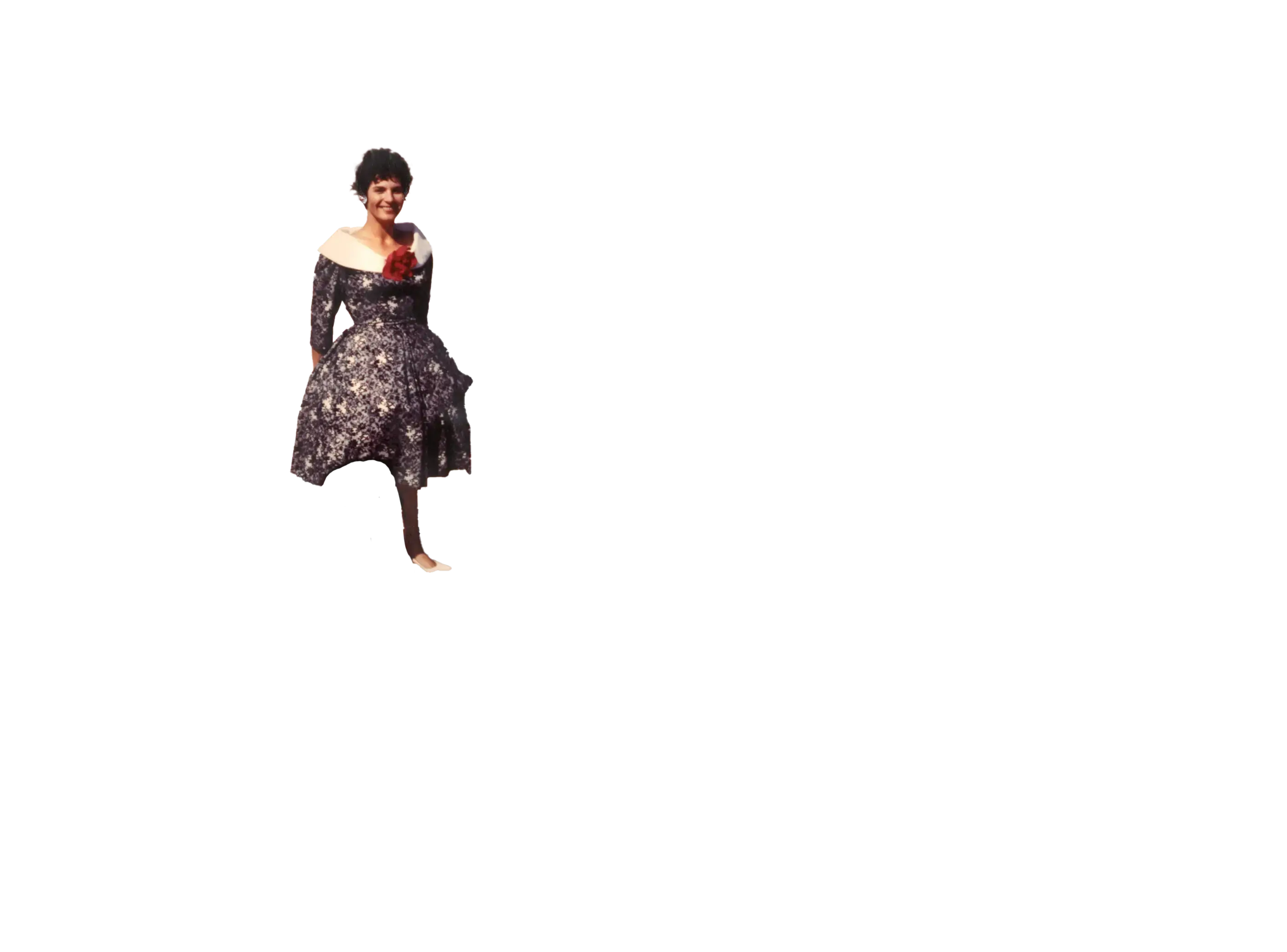
As a novice and enterprising couturier, Frans Molenaar is not lacking in courage and good ideas. In 1959, he energetically arranged a photo report in the weekly magazine Margriet, at the time a widely read and consulted beacon in Dutch fashion developments of everyday life. Just like today, couture gets more attention in the media when it is worn by famous women. Molenaar knows how to engage celebrities to further help him along early in his career.
Read more >
Fashion atelier
on the beach
As an emerging and enterprising couturier, Frans Molenaar is not lacking in daring and good ideas. In 1959, he promptly arranges a photo report in the weekly magazine Margriet, which was at the time a widely read and consulted beacon within the daily developments of Dutch fashion. Just like now, couture receives more attention in the media when worn by famous women. Molenaar early in his career knows how to enlist celebrities for his cause.

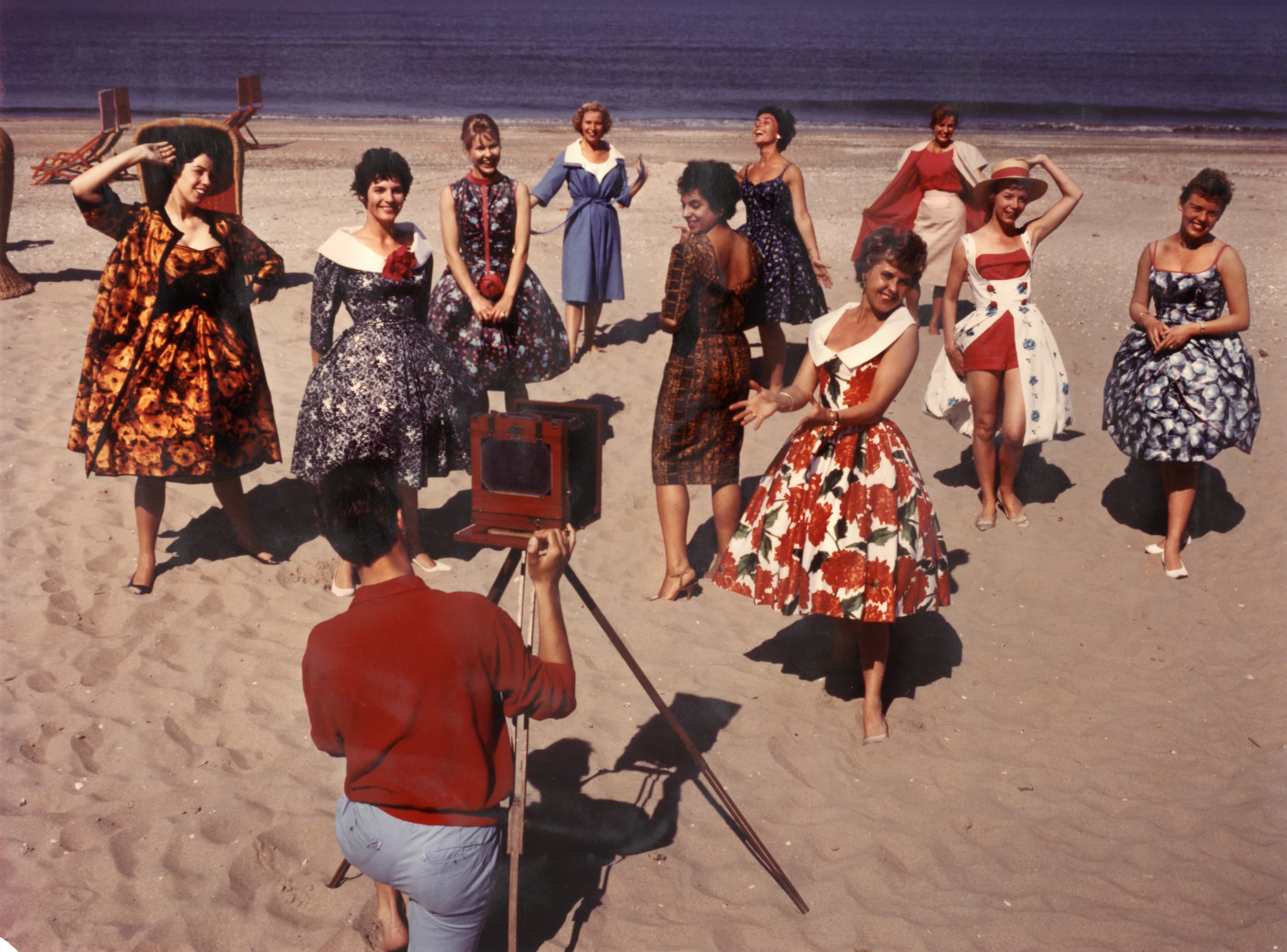
He calls about ten well-known Dutch actresses, singers, and presenters – their phone numbers were still simply listed in the phone book at that time. He recruits them for a photoshoot on the beach of his hometown Zandvoort. Molenaar convinces many by optimistically saying that other celebrities would also come, even though they still needed to be called.
On the day itself, the ladies find out, but by then they are already there. The dresses they wear, made of floral fabrics that the fashion designer received from the Cotton Institute, they are allowed to keep.
‘I couldn’t say no, the fire was shooting out of your eyes!’, is how TV legend Mies Bouwman recalled it. With other prominent figures like ‘First Lady of Jazz’ Rita Reys, actresses Kitty Jansen, Shireen Strooker, and singer Corrie Brokken, she poses casually in the sand. They are photographed around a Singer sewing machine taken from Molenaar's studio.

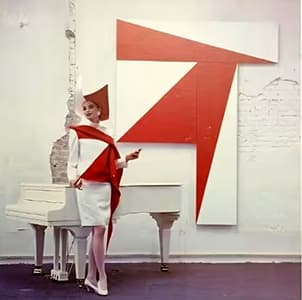
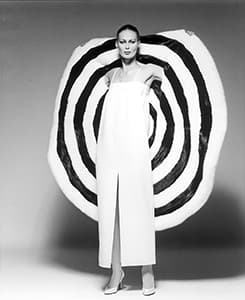
Margriet presents the report under the title ‘The largest studio in the Netherlands’. You could rather call it a skillfully set up publicity stunt. Molenaar establishes his name with it, just before he leaves for Paris to further his education in fashion. The photos show typical 1950s silhouettes in fur-printed fabrics, a world away from his later architectural and geometric designs. ‘Mondriaan also first painted little trees before he chose sharp lines,’ he says about it later.
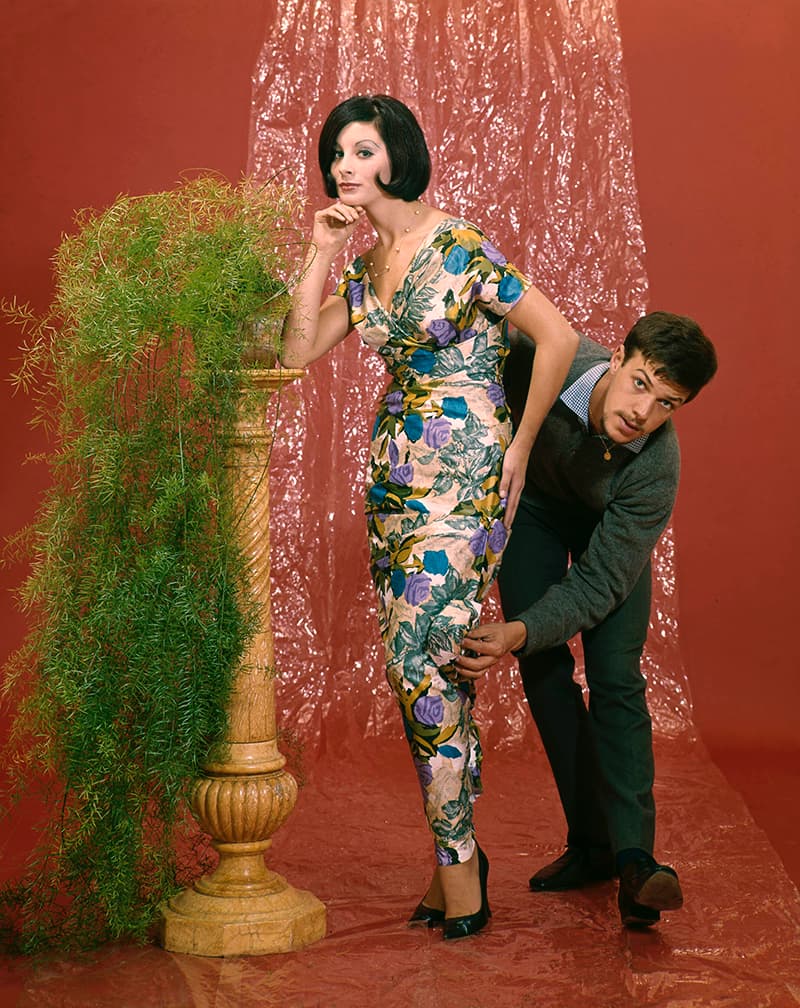
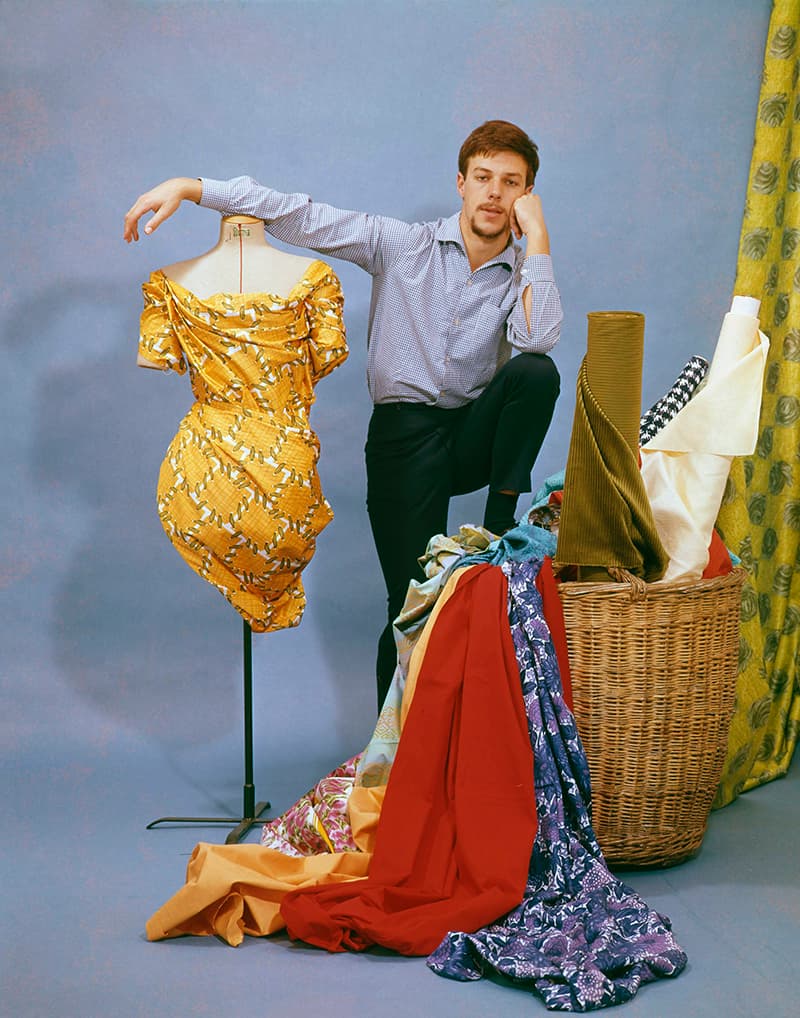
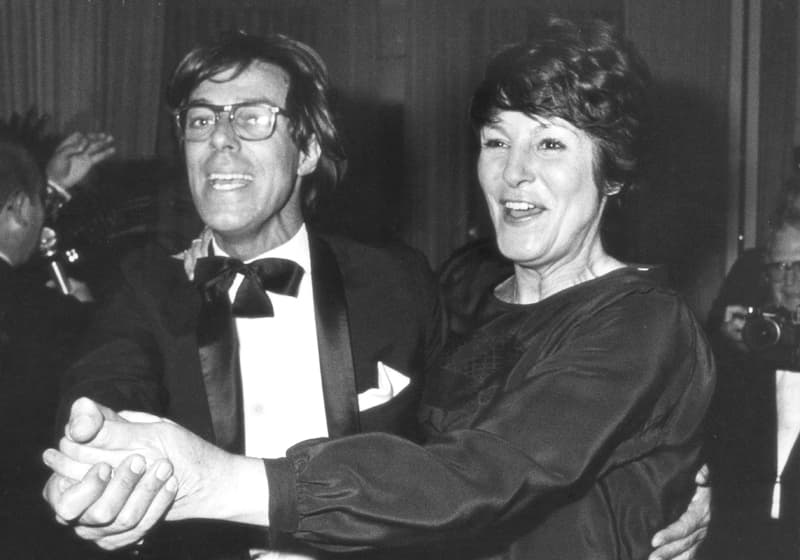
It is also Mies Bouwman who, in 1977, proposes a remake of this report to Libelle, for which the same ladies are once again dressed by Molenaar. Not in the dresses of yesteryear, but in the characteristic Molenaar designs from his winter collection that year. As a crowning glory, the wide evening gown made of black wool that Mies wears is available to Libelle readers as a do-it-yourself pattern.
Credits
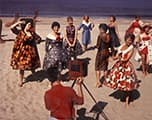
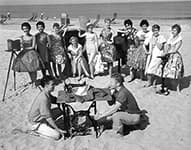

1959 - Fashion Report Margriet
Photo: Kees Pot
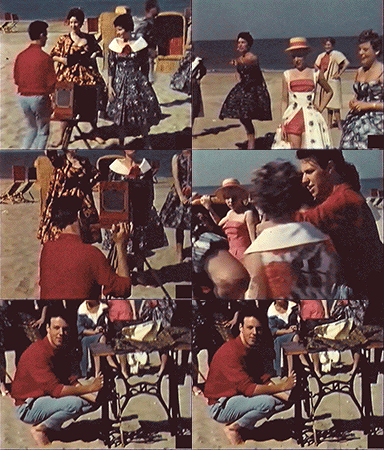
1959 - Film footage report Margriet
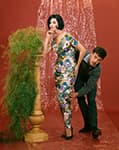
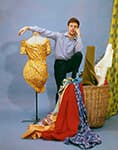
1960
Photo: Frans Siebeling
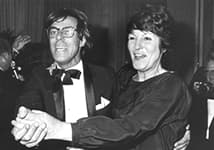
1980
With Mies Bouwman
Fashion atelier
on the beach
As a novice and enterprising couturier, Frans Molenaar is not lacking in courage and good ideas. In 1959, he energetically arranged a photo report in the weekly magazine Margriet, at the time a widely read and consulted beacon in Dutch fashion developments of everyday life. Just like today, couture gets more attention in the media when it is worn by famous women. Molenaar knows how to engage celebrities to further help him along early in his career.
Read more >
Fashion atelier
on the beach
As an emerging and enterprising couturier, Frans Molenaar is not lacking in daring and good ideas. In 1959, he promptly arranges a photo report in the weekly magazine Margriet, which was at the time a widely read and consulted beacon within the daily developments of Dutch fashion. Just like now, couture receives more attention in the media when worn by famous women. Molenaar early in his career knows how to enlist celebrities for his cause.
He calls about ten well-known Dutch actresses, singers, and presenters – their phone numbers were still simply listed in the phone book at that time. He recruits them for a photoshoot on the beach of his hometown Zandvoort. Molenaar convinces many by optimistically saying that other celebrities would also come, even though they still needed to be called.
On the day itself, the ladies find out, but by then they are already there. The dresses they wear, made of floral fabrics that the fashion designer received from the Cotton Institute, they are allowed to keep.
‘I couldn’t say no, the fire was shooting out of your eyes!’, is how TV legend Mies Bouwman recalled it. With other prominent figures like ‘First Lady of Jazz’ Rita Reys, actresses Kitty Jansen, Shireen Strooker, and singer Corrie Brokken, she poses casually in the sand. They are photographed around a Singer sewing machine taken from Molenaar's studio.
Margriet presents the report under the title ‘The largest studio in the Netherlands’. You could rather call it a skillfully set up publicity stunt. Molenaar establishes his name with it, just before he leaves for Paris to further his education in fashion. The photos show typical 1950s silhouettes in fur-printed fabrics, a world away from his later architectural and geometric designs. ‘Mondriaan also first painted little trees before he chose sharp lines,’ he says about it later.
It is also Mies Bouwman who, in 1977, proposes a remake of this report to Libelle, for which the same ladies are once again dressed by Molenaar. Not in the dresses of yesteryear, but in the characteristic Molenaar designs from his winter collection that year. As a crowning glory, the wide evening gown made of black wool that Mies wears is available to Libelle readers as a do-it-yourself pattern.
Credits
1959 - Fashion Report Margriet
Photo: Kees Pot
1959 - Film footage report Margriet
1960
Photo: Frans Siebeling
1980
With Mies Bouwman
Fashion atelier
on the beach
As a novice and enterprising couturier, Frans Molenaar is not lacking in courage and good ideas. In 1959, he energetically arranged a photo report in the weekly magazine Margriet, at the time a widely read and consulted beacon in Dutch fashion developments of everyday life. Just like today, couture gets more attention in the media when it is worn by famous women. Molenaar knows how to engage celebrities to further help him along early in his career.
Read more >
Fashion atelier
on the beach
As an emerging and enterprising couturier, Frans Molenaar is not lacking in daring and good ideas. In 1959, he promptly arranges a photo report in the weekly magazine Margriet, which was at the time a widely read and consulted beacon within the daily developments of Dutch fashion. Just like now, couture receives more attention in the media when worn by famous women. Molenaar early in his career knows how to enlist celebrities for his cause.
He calls about ten well-known Dutch actresses, singers, and presenters – their phone numbers were still simply listed in the phone book at that time. He recruits them for a photoshoot on the beach of his hometown Zandvoort. Molenaar convinces many by optimistically saying that other celebrities would also come, even though they still needed to be called.
On the day itself, the ladies find out, but by then they are already there. The dresses they wear, made of floral fabrics that the fashion designer received from the Cotton Institute, they are allowed to keep.
‘I couldn’t say no, the fire was shooting out of your eyes!’, is how TV legend Mies Bouwman recalled it. With other prominent figures like ‘First Lady of Jazz’ Rita Reys, actresses Kitty Jansen, Shireen Strooker, and singer Corrie Brokken, she poses casually in the sand. They are photographed around a Singer sewing machine taken from Molenaar's studio.
Margriet presents the report under the title ‘The largest studio in the Netherlands’. You could rather call it a skillfully set up publicity stunt. Molenaar establishes his name with it, just before he leaves for Paris to further his education in fashion. The photos show typical 1950s silhouettes in fur-printed fabrics, a world away from his later architectural and geometric designs. ‘Mondriaan also first painted little trees before he chose sharp lines,’ he says about it later.
It is also Mies Bouwman who, in 1977, proposes a remake of this report to Libelle, for which the same ladies are once again dressed by Molenaar. Not in the dresses of yesteryear, but in the characteristic Molenaar designs from his winter collection that year. As a crowning glory, the wide evening gown made of black wool that Mies wears is available to Libelle readers as a do-it-yourself pattern.
Credits
1959 - Fashion Report Margriet
Photo: Kees Pot
1959 - Film footage report Margriet
1960
Photo: Frans Siebeling
1980
With Mies Bouwman